
Cybersecurity Budget Fit
Enterprise security isn't a single purchase; it's a portfolio. Your budget dictates which layers of defense you can afford, forcing tradeoffs between breadth and depth. A lean budget might cover essential perimeter tools, while a robust one funds integrated platforms that reduce vendor sprawl. Understanding these price tiers helps align spend with actual risk exposure.
Perimeter Essentials
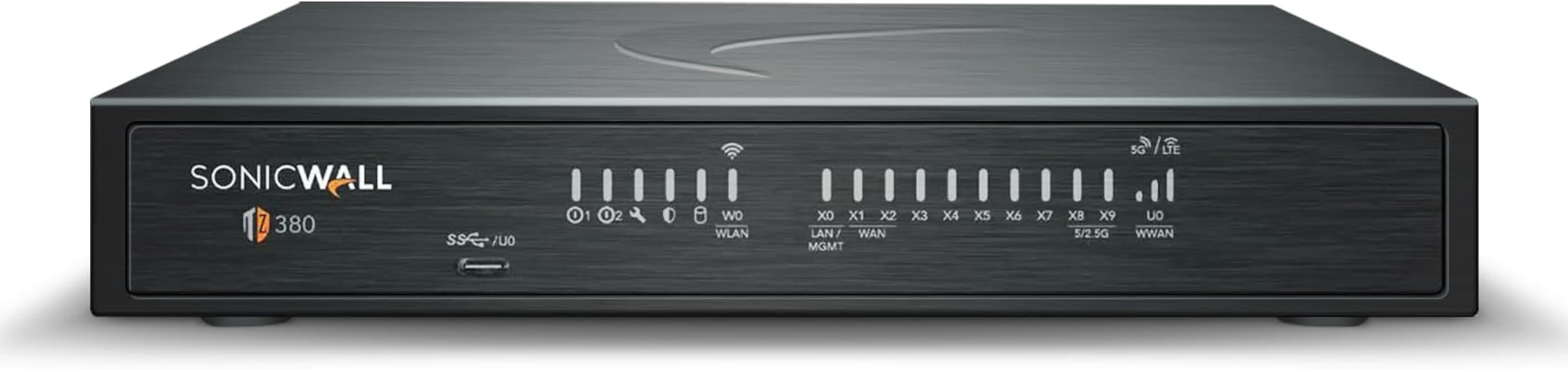
Start with the basics: firewalls and intrusion detection. These are the non-negotiable gatekeepers. Budget-friendly options often lack advanced AI-driven threat hunting but provide solid baseline protection. Focus on solutions that offer clear visibility into network traffic without requiring a dedicated security operations center.
Endpoint Protection
Endpoints are where AI-driven attacks often land. Modern EDR (Endpoint Detection and Response) solutions are critical here. They offer real-time monitoring and automated response capabilities. While cheaper antivirus suites exist, they rarely catch sophisticated, fileless malware. Invest in EDR for any device accessing sensitive corporate data.
Identity and Access
Identity is the new perimeter. Multi-factor authentication (MFA) and privileged access management (PAM) prevent unauthorized entry even if credentials are stolen. These tools often integrate with existing directories, making them cost-effective additions. Neglecting identity security leaves a wide open door, regardless of how strong your firewall is.
Cloud Security Posture
As workloads move to the cloud, misconfigurations become a primary risk. Cloud Security Posture Management (CSPM) tools automatically detect and fix these issues. They prevent data leaks from exposed storage buckets or overly permissive access rules. This is a high-ROI area, as the cost of a breach far exceeds the subscription fee for proactive monitoring.


As an Amazon Associate, we may earn from qualifying purchases.
Compare the strongest enterprise cybersecurity platforms
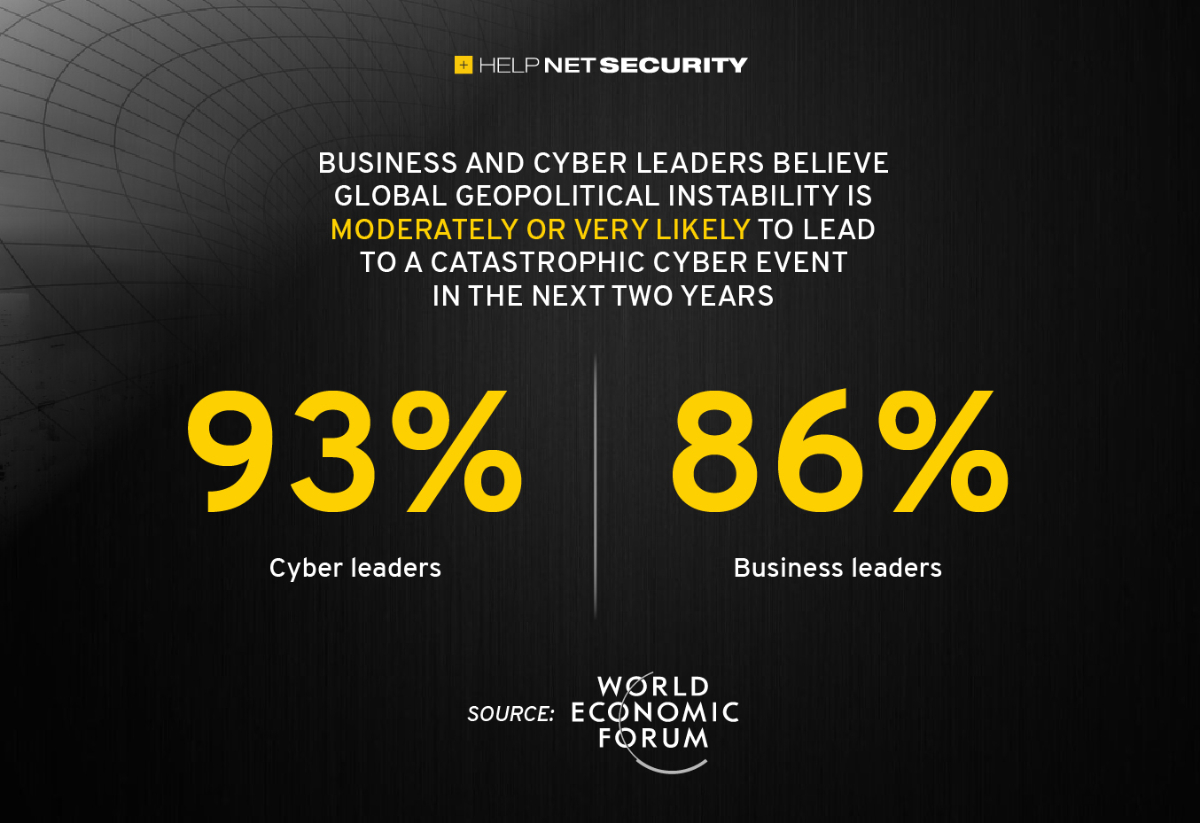
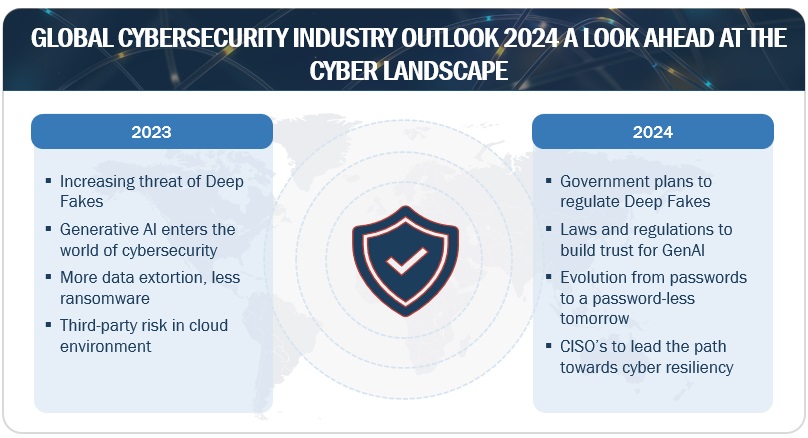
Enterprise resilience in 2026 requires more than a single firewall. AI-driven attacks evolve faster than manual patching cycles, making integrated platforms essential. The following comparison highlights four leading enterprise cybersecurity solutions, focusing on their core capabilities, deployment models, and primary strengths.
Comparison of leading enterprise security platforms
| Feature | CrowdStrike Falcon | Palo Alto Networks Cortex XSIAM | Microsoft Defender for Endpoint | SentinelOne Singularity |
|---|---|---|---|---|
| Primary Focus | Endpoint Detection & Response (EDR) | AI-Driven SOC Automation | Unified Endpoint & Identity Protection | Autonomous Endpoint Protection |
| Deployment | Cloud-Native Agent | Cloud-Native SaaS | Cloud-Native (Integrated) | Cloud-Native Agent |
| Key Strength | Real-time threat hunting & lightweight agent | Automated incident response & log analysis | Seamless Microsoft 365 integration & identity coverage | AI-powered autonomous blocking & rollback |
| Best For | Security teams needing deep visibility | Organizations reducing SOC analyst workload | Enterprises already on Microsoft ecosystem | Companies seeking minimal manual intervention |
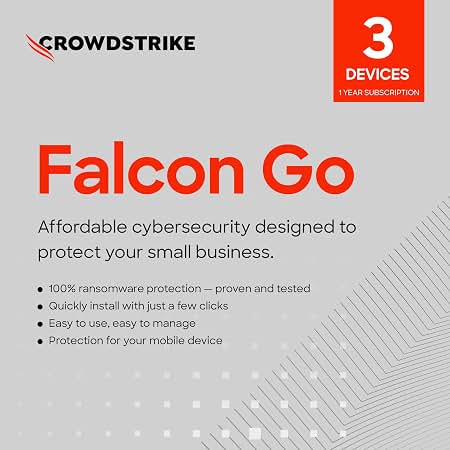
CrowdStrike Falcon remains a benchmark for EDR due to its lightweight agent and global threat intelligence graph. It excels in real-time threat hunting, allowing security teams to identify and neutralize threats before they spread. While it integrates with many SIEMs, its true value shines in environments where endpoint visibility is the primary concern.
Palo Alto Networks Cortex XSIAM takes a different approach by automating the SOC workflow. It ingests logs from across the network, uses AI to correlate events, and automatically responds to common threats. This reduces the burden on human analysts, making it ideal for organizations looking to scale their security operations without proportionally increasing headcount.
Microsoft Defender for Endpoint offers a compelling option for companies deeply embedded in the Microsoft ecosystem. It combines endpoint protection with identity governance and cloud app security. For enterprises using Microsoft 365, the unified dashboard and single-agent approach simplify management significantly, though it may require additional tools for non-Microsoft environments.
SentinelOne Singularity focuses on autonomy. Its AI engine is designed to detect and block threats without human intervention, including rolling back changes made by ransomware. This makes it a strong choice for organizations with limited security staff or those seeking a "set it and forget it" approach to endpoint protection.


As an Amazon Associate, we may earn from qualifying purchases.
Choosing the right platform depends on your existing infrastructure and team size. If you are already on Microsoft 365, Defender for Endpoint offers the smoothest integration. For specialized threat hunting, CrowdStrike remains a top choice. If automating your SOC is the priority, Cortex XSIAM provides significant operational efficiency. SentinelOne is ideal for autonomous protection with minimal overhead.
Inspect the expensive parts
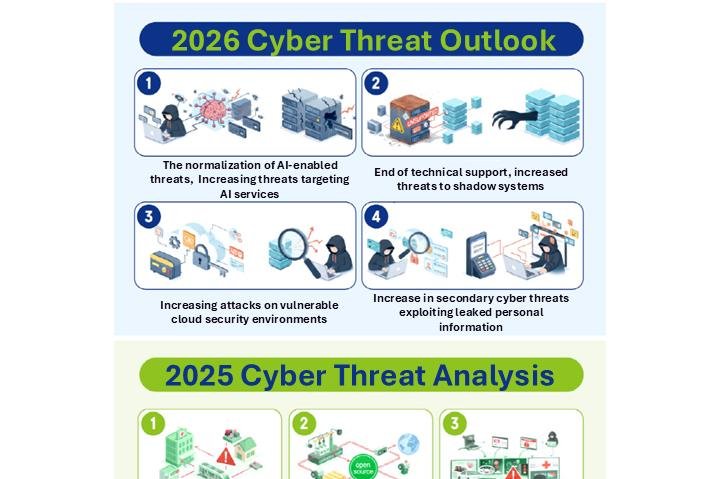
AI-driven attacks are shifting from broad, noisy scans to precise, high-impact strikes. The cost of failure is no longer just downtime; it is the permanent loss of customer trust and regulatory fines. To build enterprise resilience, you must stop treating all assets equally. Instead, focus your inspection efforts on the components where a breach would cause the most irreversible damage.
Start by mapping your data flow. Identify where sensitive information—customer PII, financial records, intellectual property—resides and how it moves across your network. The most expensive failures usually happen when AI models are used to automate the exfiltration of these specific data sets. If an attacker gains access to your training data or your production database, the damage is often permanent.
Next, audit your authentication layers. AI can now generate convincing phishing emails and voice clones at scale. Traditional perimeter defenses are insufficient. You need to verify that multi-factor authentication is enforced everywhere, especially for privileged accounts. A single compromised admin credential can give an attacker the keys to the entire kingdom, allowing them to move laterally and encrypt critical systems.
Finally, review your third-party integrations. Modern enterprises rely on dozens of SaaS providers and API connections. Each integration is a potential entry point. Inspect the security posture of your vendors and ensure that least-privilege access is applied to all external connections. The goal is to minimize the blast radius if one part of your ecosystem is compromised.
Identify where your most valuable data lives. Create a inventory of all sensitive information, including customer records, financial data, and proprietary code. Note how this data moves between systems and who has access to it. This map becomes your priority list for protection.
Verify that multi-factor authentication (MFA) is enabled for all users, especially administrators. AI-driven phishing is becoming too sophisticated for passwords alone. Ensure that MFA methods are resistant to SIM swapping and social engineering, such as hardware keys or app-based approvals.
List all external vendors, APIs, and SaaS tools connected to your network. Check their security certifications and access levels. Revoke unnecessary permissions and ensure that each vendor has the minimum access required to perform their function. This limits the damage if a vendor is breached.
Run table-top exercises to simulate an AI-driven attack. Test how quickly your team can detect, contain, and recover from a breach. Identify gaps in communication and technical response. Update your playbook based on these drills to ensure you are ready for a real crisis.
Plan for ownership costs
The sticker price of an enterprise network security solution is rarely the final bill. Total cost of ownership (TCO) includes licensing renewals, hardware refreshes, and the internal labor required to keep systems running. A cheaper upfront purchase often hides higher long-term expenses in maintenance and support.
Hidden maintenance and licensing fees
Many vendors bundle initial setup into the base price but charge separately for critical updates and technical support. If you skip the premium support tier, you may face delays during a breach response. Always check whether firmware updates, AI model retraining, and threat intelligence feeds are included in the annual contract or billed as add-ons.
Internal labor and training costs
Security tools are only as effective as the team managing them. Complex AI-driven platforms require specialized skills to interpret alerts and tune false-positive rates. If your current staff lacks experience with these systems, you will need to invest in training or hire external consultants. These labor costs can quickly surpass the savings from a lower-priced license.
When cheap stops being cheap
A low-cost solution becomes expensive when it fails to integrate with your existing infrastructure. Manual workarounds to bridge incompatible systems drain IT resources and increase the risk of configuration errors. Additionally, older or less capable hardware may need to be replaced sooner, creating unexpected capital expenditures. Evaluate the full lifecycle cost, not just the initial purchase.


As an Amazon Associate, we may earn from qualifying purchases.
No comments yet. Be the first to share your thoughts!