


HackerDesk
Quantum-Resistant Cryptography: Essential Security Updates for 2026 and Beyond
Cybersecurity BasicsCybersecurity Basics

Quantum-Resistant Cryptography: Essential Security Updates for 2026 and Beyond

The rise of quantum computing necessitates a shift to quantum-resistant cryptography. NIST has begun standardizing new algorithms, largely based on lattice-based math, to replace vulnerable systems. Organizations and developers need to proactively prepare for this transition, addressing migration hurdles and utilizing emerging tools and libraries.

2026-05-01 00:36:49

Trending

AI-Powered Penetration Testing Tools: The Complete 2026 Guide for Security Professionals
Penetration Testing

AI-Powered Penetration Testing Tools: The Complete 2026 Guide for Security Professionals

AI is rapidly transforming the penetration testing landscape, offering the potential for more efficient and comprehensive security assessments. While AI-powered tools are becoming increasingly sophisticated, they are best utilized as an augmentation to, rather than a replacement for, skilled security professionals. Expect significant market growth and capability improvements by 2026, but remember human expertise remains vital.

2026-04-14 15:31:31
Network Security

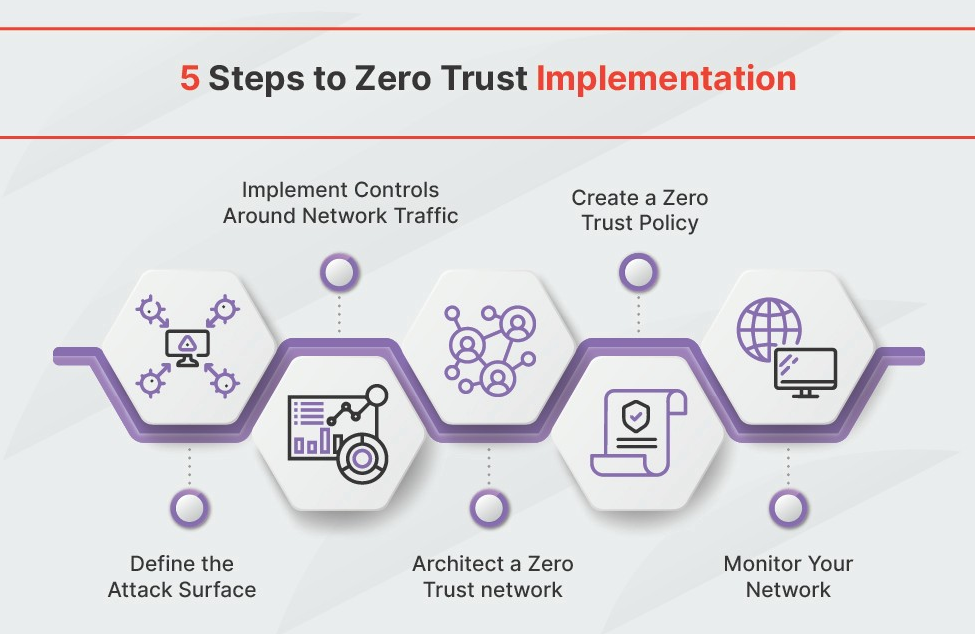
Zero Trust Architecture Implementation: Essential Security Framework for Remote Work in 2026

Zero Trust Architecture is rapidly becoming essential for securing modern, remote-first organizations. This framework shifts security focus from network location to user and device identity, requiring continuous verification and granular access control. Implementing ZTA, guided by the NIST framework, is vital for mitigating risks in today's evolving threat landscape.

2026-04-14 15:28:50
Quantum-Resistant Cybersecurity: How to Prepare Your Network for Post-Quantum Threats in 2026
Network Security

Quantum-Resistant Cybersecurity: How to Prepare Your Network for Post-Quantum Threats in 2026

The rise of quantum computing poses a significant threat to current encryption methods, demanding proactive preparation. Organizations must begin inventorying their cryptographic systems and planning for migration to NIST-standardized Post-Quantum Cryptography (PQC) algorithms, with a critical timeframe around 2026, and recognize this is an ongoing process.

2026-04-14 13:08:20
Cloud Security Compliance Standards 2026: What Every Business Must Know
Cloud and Managed Network Security

Cloud Security Compliance Standards 2026: What Every Business Must Know

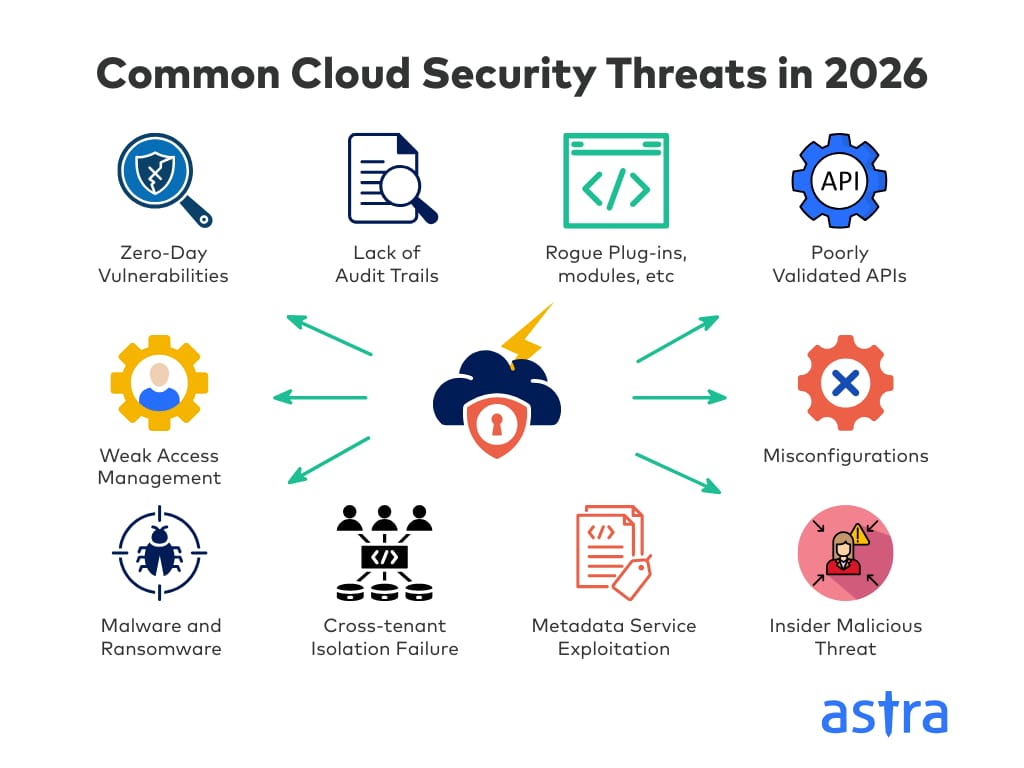
Cloud security compliance is rapidly evolving, demanding a proactive and continuous approach. Businesses must prioritize understanding emerging regulations, embracing automation, and implementing robust security frameworks like Zero Trust to navigate the increasingly complex landscape and avoid costly penalties. Preparing thorough documentation will also be crucial for successful audits.

2026-04-14 12:58:02
Critical IoT Security Vulnerabilities Exposed in 2026: Protection Strategies That Work
Network Security

Critical IoT Security Vulnerabilities Exposed in 2026: Protection Strategies That Work

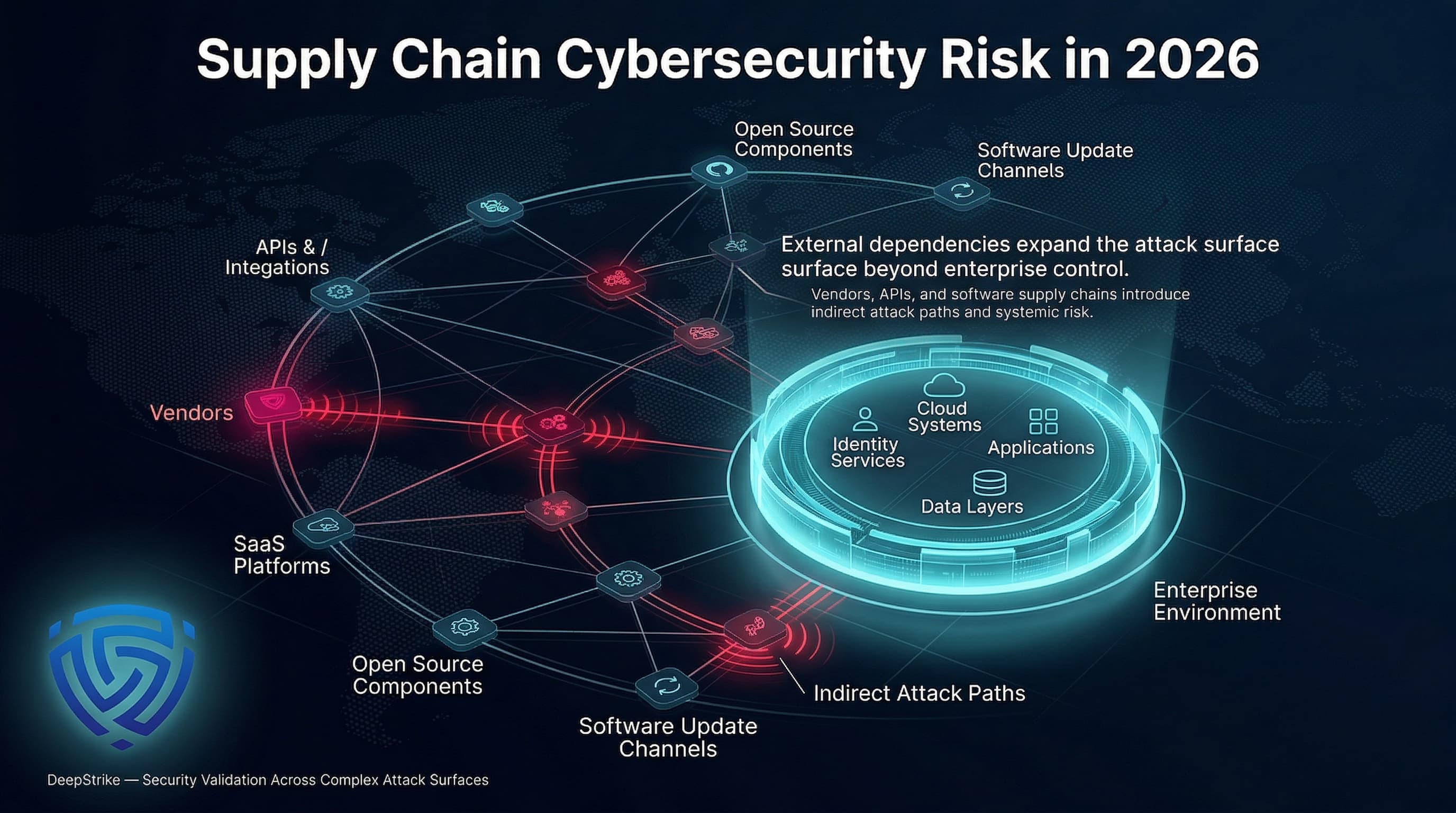
The Internet of Things is facing a surge in security vulnerabilities stemming from expanding attack surfaces, weak supply chains, and insecure configurations. Organizations must adopt layered mitigation strategies, including robust authentication, secure updates, and network segmentation, to protect their IoT deployments. Ignoring these risks could lead to significant data breaches and operational disruptions.

2026-04-14 12:46:10
Zero-Trust Network Security Architecture: Implementation Strategies for 2026
Network Security

Zero-Trust Network Security Architecture: Implementation Strategies for 2026

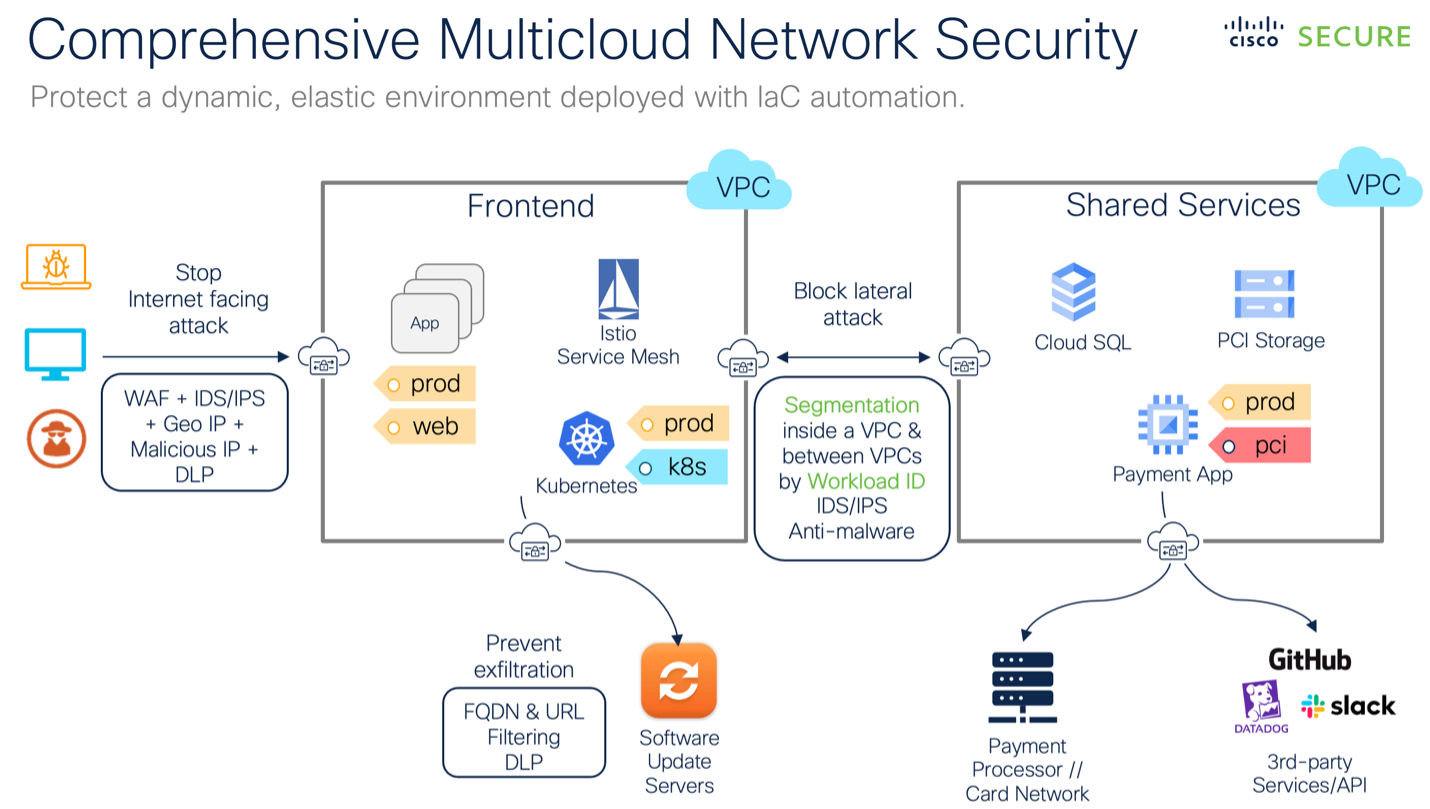
This article details the evolving landscape of Zero Trust Network Architecture, moving beyond traditional perimeter security. It highlights implementation strategies, including microsegmentation, continuous monitoring, and multi-cloud considerations, while also outlining common pitfalls and projecting the state of ZTNA by 2026. The DoD’s approach serves as a key example of large-scale ZTNA adoption.

2026-04-14 12:26:26