
Cybersecurity budget fit
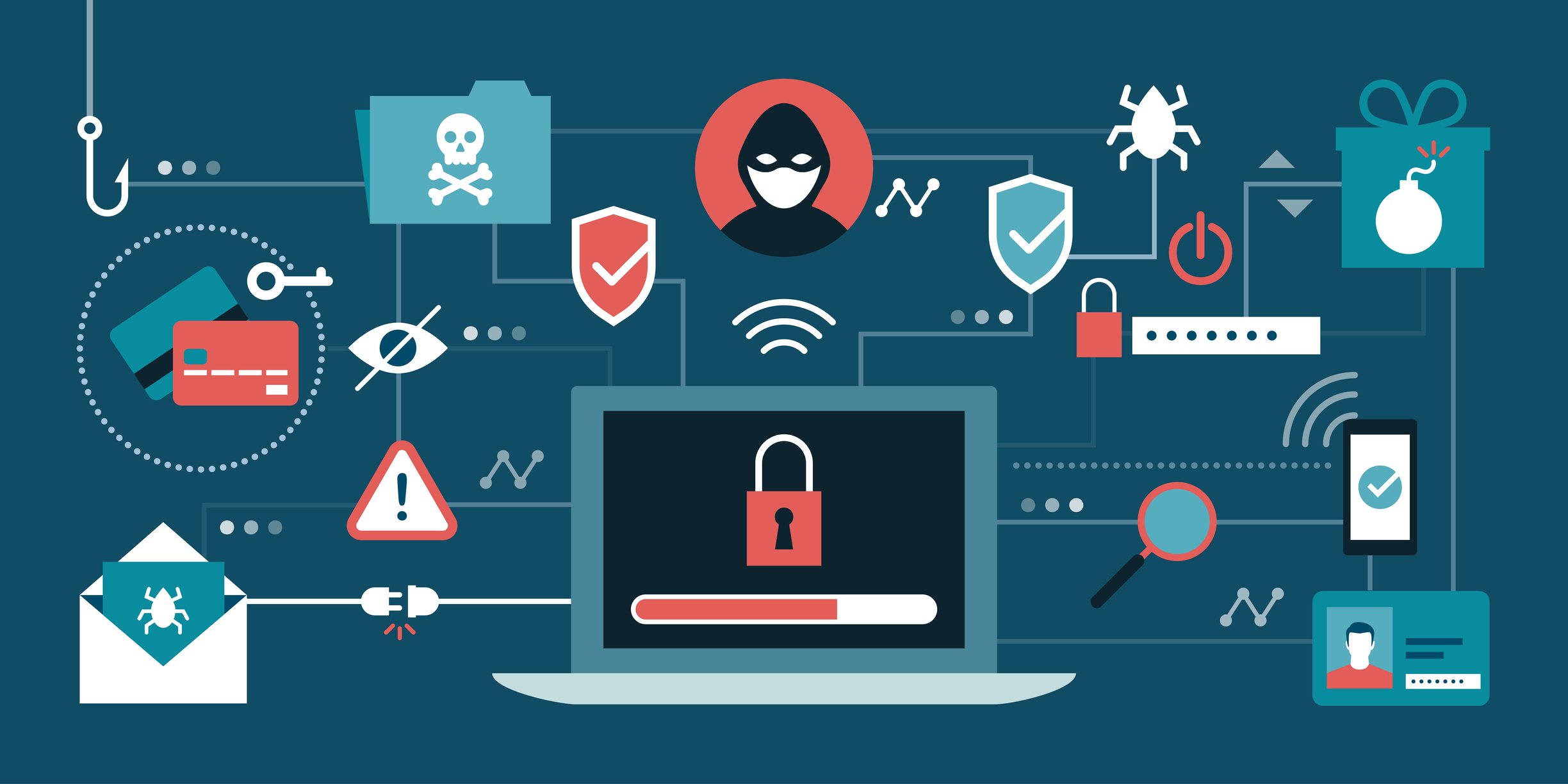
Cybersecurity is the convergence of people, processes, and technology that combine to protect organizations from digital attacks. Your budget fit determines which tools actually survive deployment. A $500 router won’t stop a targeted APT, but a $50,000 enterprise firewall might be overkill for a small team. The goal is matching capability to threat exposure.
Start by auditing your current stack. Do you have redundant backups? Is your patching process manual or automated? If you’re still clicking "update now" on fifty endpoints, you’re bleeding time. Time is money, and in cybersecurity, time is also your primary defense against zero-day exploits.
We recommend starting with core infrastructure protection before layering on specialized tools. A solid password manager, endpoint detection, and regular backups form the bedrock. Everything else is icing on the cake. Don’t buy the icing before the cake is baked.


As an Amazon Associate, we may earn from qualifying purchases.
Network security tools for 2026
Choosing the right cybersecurity solution depends on your specific infrastructure and threat model. The market has shifted from perimeter-only defenses to integrated platforms that combine endpoint protection, network visibility, and automated response. Below is a comparison of the strongest options available for protecting against network security vulnerabilities in 2026.
| Product | Primary Focus | Best For | Price Range |
|---|---|---|---|
| Cisco Secure Network | Enterprise Network Defense | Large organizations with complex infrastructure | Enterprise |
| Palo Alto Cortex XDR | Extended Detection & Response | Mid-size to large businesses | High |
| Trend Micro Vision One | Unified Visibility | Mixed-cloud environments | Medium-High |
| Sophos Intercept X | Endpoint & Network | SMBs and remote teams | Medium |
The choice often comes down to scale and integration needs. Enterprise-grade tools like Cisco Secure offer deep packet inspection and granular control but require significant administrative overhead. For organizations seeking a balance between power and ease of use, Palo Alto Cortex XDR provides strong automated response capabilities without the complexity of legacy firewalls.
Small to medium businesses may find value in solutions like Trend Micro Vision One or Sophos Intercept X, which bundle endpoint and network security into a single console. These platforms reduce the need for multiple vendor management and provide clear visibility into network traffic anomalies. When evaluating options, prioritize tools that offer clear reporting on network security vulnerabilities and penetration testing readiness.
Inspect the expensive parts
Use this section to make the Cyber Threat Landscape decision easier to compare in real life, not just on paper. Start with the reader's actual constraint, then separate must-have requirements from details that are merely nice to have. A practical choice should survive normal use, maintenance, timing, and budget. If a recommendation only works in an ideal situation, call that out plainly and give the reader a fallback path.
-
Verify the basicsConfirm the core specs, condition, and fit before comparing extras.
-
Price the downsideLook for the repair, maintenance, or replacement cost that would change the decision.
-
Compare alternativesCheck at least two comparable options before treating one listing as the benchmark.
Plan for ownership costs
Buying a network security tool is the easy part; keeping it running is where budgets often break. A firewall or intrusion detection system is not a set-and-forget appliance. It requires regular firmware updates, signature database subscriptions, and periodic rule tuning to stay effective against evolving threats. When you ignore these maintenance cycles, the software becomes a liability rather than a shield, leaving gaps that attackers can exploit with minimal effort.
Many organizations underestimate the hidden costs of ownership. Licensing fees often scale with the number of endpoints or the volume of traffic monitored. If you start with a small deployment to test the waters, expanding later can trigger steep price jumps for additional licenses or support tiers. Additionally, specialized hardware appliances may require dedicated rack space, power, and cooling, adding to your facility's operational expenses.
Time is another significant cost. Even the most automated tools require human oversight. Security teams must review alerts, investigate false positives, and adjust policies to match current business needs. If your internal staff lacks the expertise to manage these tasks effectively, you may need to hire consultants or subscribe to managed security services. These services add a monthly fee but can prevent costly breaches caused by misconfiguration or delayed response.
When a cheap buy stops being cheap, it is usually because the total cost of ownership (TCO) exceeds the value it provides. A low upfront price might look attractive, but if the tool generates excessive noise, requires constant manual intervention, or fails to integrate with your existing stack, it drains resources. Always calculate the TCO over three to five years, including software, hardware, support, and labor, before making a purchase decision.


As an Amazon Associate, we may earn from qualifying purchases.
No comments yet. Be the first to share your thoughts!