

How AI changes the threat landscape
The cybersecurity environment in 2026 has shifted from static defense to dynamic adaptation. Traditional ransomware relied on predictable patterns and manual encryption keys, making it possible for signature-based antivirus tools to detect and block attacks. AI-driven ransomware, however, operates with a level of autonomy and sophistication that renders these legacy defenses largely ineffective. Attackers now deploy machine learning models to identify vulnerabilities in real-time, adapting their tactics faster than human analysts can respond.
This shift means that the primary defense is no longer just about blocking known threats, but about detecting anomalous behavior. AI-driven attacks can generate polymorphic code that changes its structure with every execution, evading standard detection methods. They can also automate the reconnaissance phase, scanning networks for weak points with precision and speed that would take human hackers weeks to accomplish. The result is a compressed timeline between initial access and data encryption, leaving organizations with minutes rather than hours to react.
Organizations must move beyond perimeter-based security models. The new standard involves zero-trust architectures and behavioral analytics that monitor user and system activity for deviations from the norm. This approach is essential for protecting against AI ransomware, which often begins with subtle, low-and-slow infiltration techniques designed to evade traditional alert systems.
Top network security platforms for 2026
The landscape of network security has shifted from simple perimeter defense to comprehensive threat detection and response. For 2026, the most effective solutions integrate AI-driven analytics to identify anomalies before they become ransomware events. These platforms monitor network traffic, manage endpoints, and enforce policies across hybrid environments.
When selecting a network security platform, look for features like automated threat hunting, zero-trust architecture support, and seamless integration with existing cloud infrastructure. The following products represent the current standard for enterprise-grade protection.
Cisco Secure Network Platform
Cisco remains a dominant force in enterprise networking, offering a unified platform that combines firewall, intrusion prevention, and endpoint security. Their AI-powered threat intelligence feeds directly into their network security appliances, allowing for real-time blocking of sophisticated attacks. The platform is particularly strong for organizations already embedded in the Cisco ecosystem, providing deep visibility into network flows and user behavior.
Palo Alto Networks Cortex XDR
Palo Alto Networks has built its reputation on next-generation firewalls, but their Cortex XDR platform extends this protection across endpoints, networks, and cloud workloads. By correlating data from multiple vectors, the platform reduces alert fatigue and provides security teams with actionable insights. Its automation capabilities allow for rapid containment of threats, minimizing the dwell time of potential ransomware infections.
Fortinet FortiGate
Fortinet’s FortiGate firewalls are known for their performance and cost-effectiveness, powered by custom ASIC chips that handle high-throughput traffic without compromising security. The FortiGuard threat intelligence network provides global visibility into emerging threats, ensuring that FortiGate devices are protected against the latest malware and ransomware variants. This solution is ideal for mid-sized to large enterprises seeking robust protection without excessive overhead.
Check Point Harmony
Check Point offers a comprehensive suite of security products, with Harmony being their integrated cloud-native platform. It combines email, endpoint, and network security into a single pane of glass, simplifying management for security teams. Check Point’s Quantum Security Gateways provide strong perimeter defense, while their cloud offerings ensure that remote workers and distributed teams remain protected.
| Vendor | Primary Strength | Deployment Model | AI-Driven Threat Detection |
|---|---|---|---|
| Cisco | Unified Ecosystem Integration | Hybrid | Yes |
| Palo Alto Networks | Cross-Domain Correlation | Cloud-Native | Yes |
| Fortinet | Performance & Cost | On-Premise/Cloud | Yes |
| Check Point | Simplified Management | Hybrid | Yes |
Essential penetration testing tools and kits
Penetration testing requires precise hardware and specialized software to simulate real-world attacks effectively. Security professionals need reliable equipment to map network vulnerabilities, test wireless access points, and analyze traffic without introducing errors or detection. The right toolkit turns abstract security policies into actionable data.
Hardware and software kits for security testing
Building a robust penetration testing setup involves selecting tools that cover network analysis, wireless auditing, and physical security assessments. Below are essential resources available for purchase that support these critical tasks.


As an Amazon Associate, we may earn from qualifying purchases.
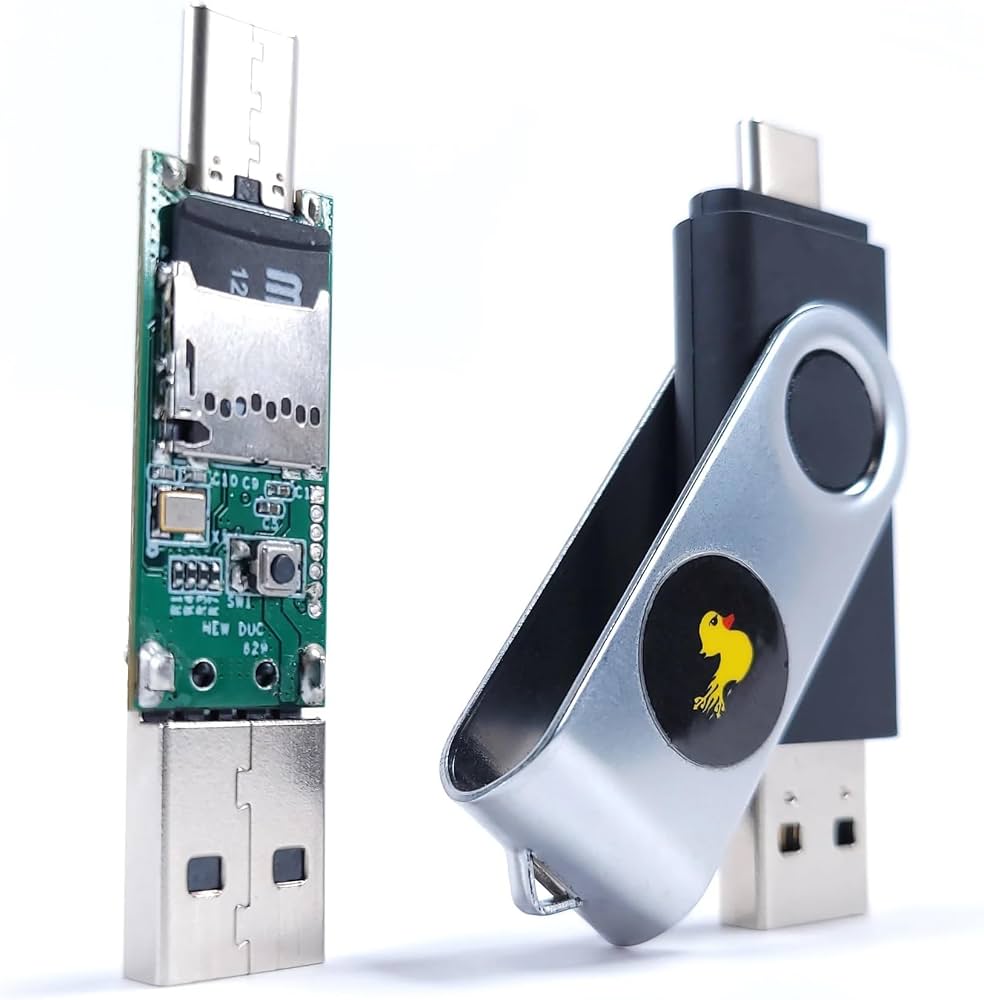
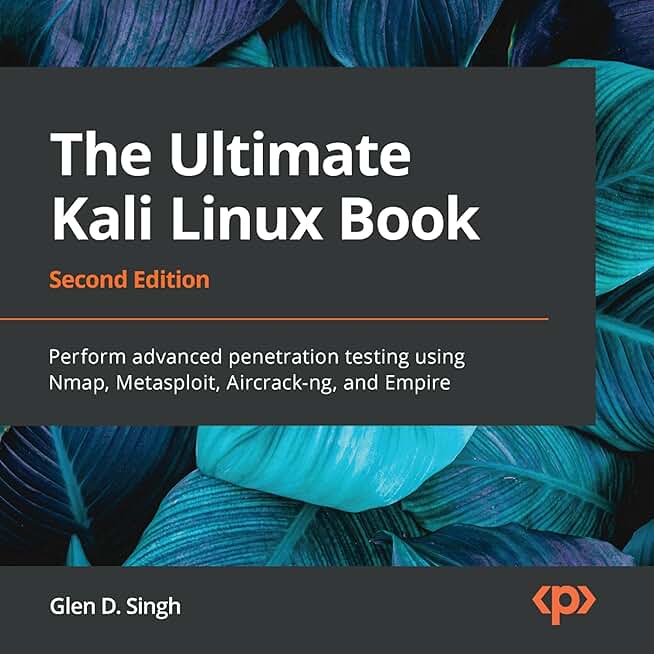
These tools form the foundation of a modern security assessment. The WiFi Pineapple allows for detailed wireless network mapping, while the USB Rubber Ducky enables rapid testing of endpoint security against automated scripts. For software-based analysis, understanding packet flow through Wireshark is indispensable, and comprehensive guides like the Kali Linux Bible help professionals configure these environments correctly.
Investing in these specific kits ensures that testing remains consistent and repeatable. Whether auditing a small office network or a large enterprise infrastructure, having physical hardware for wireless testing and reliable software references for system analysis reduces the risk of oversight during security evaluations.
Match your stack to your actual threat model
Choosing a cybersecurity solution requires balancing three variables: threat exposure, technical overhead, and budget. AI ransomware evolves faster than manual patching cycles, so your stack must prioritize automated detection and response over reactive measures. Start by auditing your current attack surface. If your organization relies heavily on cloud infrastructure, prioritize solutions with deep cloud-native visibility rather than legacy on-premise firewalls.
Evaluate detection speed and false positive rates
The difference between a contained incident and a full-scale breach often comes down to detection latency. Look for platforms that use behavioral analytics to identify anomalies in real time, rather than relying solely on signature-based detection which lags behind new AI-generated malware strains. High false positive rates exhaust your security team’s time, so test the solution’s alert accuracy during any free trial period. A robust stack should flag genuine threats without drowning you in noise.
Prioritize integration and ease of deployment
A powerful tool is useless if it creates silos within your IT environment. Ensure the cybersecurity solution integrates seamlessly with your existing identity providers, endpoint management systems, and email gateways. Look for APIs and pre-built connectors that reduce manual configuration. If deployment requires weeks of custom coding, the solution will introduce more friction than security. Aim for platforms that offer out-of-the-box compatibility with your current tech stack.
Compare pricing models against total cost of ownership
Subscription costs are only part of the equation. Consider the hidden costs of training, maintenance, and potential downtime during setup. Some vendors charge per user, while others charge per endpoint or per terabyte of data processed. For small to mid-sized businesses, a unified platform that covers email, endpoint, and network security often offers better value than buying best-of-breed point solutions separately. Evaluate the long-term scalability of the pricing model to avoid unexpected budget spikes as your organization grows.


As an Amazon Associate, we may earn from qualifying purchases.
Common questions about cybersecurity careers
The demand for AI ransomware defense has turned cybersecurity into one of the most accessible and lucrative career paths in technology. If you are considering a shift into this field, these answers address the most common questions about roles, salaries, and entry requirements.
No comments yet. Be the first to share your thoughts!