
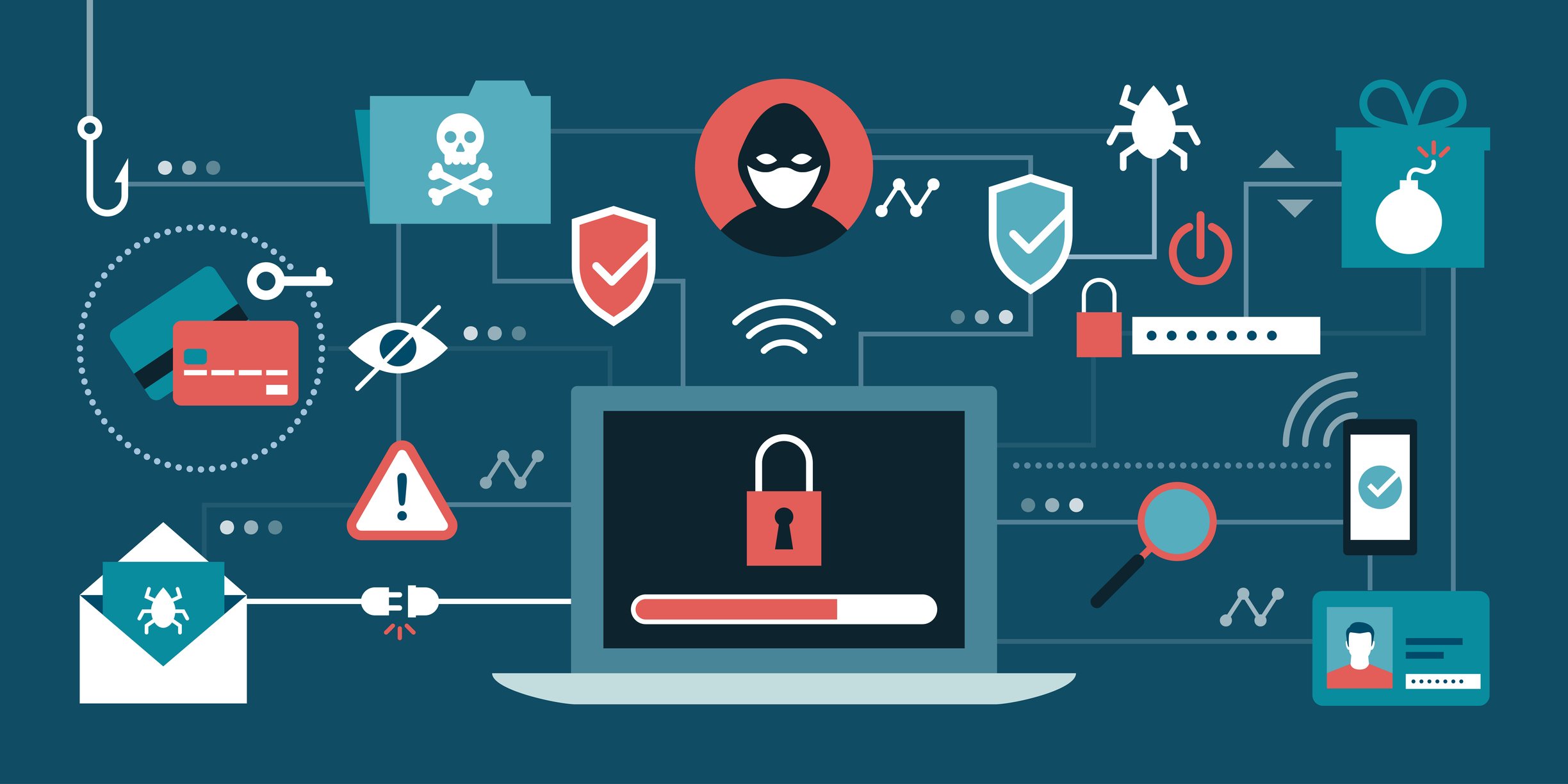

Cybersecurity budget
Protecting your network against AI-driven attacks requires a mix of tools, but the cost can vary wildly depending on where you draw the line. A basic home setup might cost as little as $50 for a router with built-in firewall features, while enterprise-grade zero-trust solutions can run into the tens of thousands annually. The key is matching your budget to your actual risk profile rather than buying the most expensive gear on the shelf.
For small businesses and remote teams, starting with a solid endpoint detection and response (EDR) tool is often more effective than buying a dozen disparate security products. Look for bundled solutions that cover firewalls, email security, and endpoint protection in one subscription. This approach reduces management overhead and ensures that your zero-trust policies are applied consistently across all devices.
When evaluating costs, consider the total cost of ownership, including training and maintenance. A cheap firewall that requires constant manual updates will cost more in labor than a slightly pricier, self-managing appliance. Prioritize tools that automate routine tasks, such as patch management and threat blocking, so your IT staff can focus on investigating genuine anomalies rather than fighting false positives.
Amazon Product Grid


As an Amazon Associate, we may earn from qualifying purchases.
Shortlist real options
Use this section to make the Cyber Threat Landscape decision easier to compare in real life, not just on paper. Start with the reader's actual constraint, then separate must-have requirements from details that are merely nice to have. A practical choice should survive normal use, maintenance, timing, and budget. If a recommendation only works in an ideal situation, call that out plainly and give the reader a fallback path.
| Factor | What to check | Why it matters |
|---|---|---|
| Fit | Match the option to the primary use case. | A good deal still fails if it does not fit the job. |
| Condition | Verify age, wear, and service history. | Hidden condition issues erase upfront savings. |
| Cost | Compare purchase price with likely upkeep. | The cheapest option is not always the lowest-cost option. |
Inspect the expensive parts
Use this section to make the Cyber Threat Landscape decision easier to compare in real life, not just on paper. Start with the reader's actual constraint, then separate must-have requirements from details that are merely nice to have. A practical choice should survive normal use, maintenance, timing, and budget. If a recommendation only works in an ideal situation, call that out plainly and give the reader a fallback path.
-
Verify the basicsConfirm the core specs, condition, and fit before comparing extras.
-
Price the downsideLook for the repair, maintenance, or replacement cost that would change the decision.
-
Compare alternativesCheck at least two comparable options before treating one listing as the benchmark.
Plan for ownership costs
A security solution’s sticker price is rarely the final bill. The real expense lies in the ongoing maintenance, updates, and personnel required to keep the system effective against evolving threats. What starts as a low-cost entry point often balloons when you factor in the labor and infrastructure needed to sustain it.
Licensing and subscription creep
Many security tools operate on subscription models that increase in cost as your network grows. Adding users, devices, or advanced features often triggers tiered pricing. If your organization expands, these recurring fees can double or triple within a few years, turning an affordable initial purchase into a significant operational burden.
Staffing and training requirements
Complex security architectures demand specialized knowledge. A cheap firewall might require a dedicated administrator to manage rules, interpret logs, and patch vulnerabilities. If your team lacks these skills, you’ll need to hire or train staff, adding salary and benefits to the total cost of ownership. Without proper expertise, even the best tools can be misconfigured, leaving gaps in defense.
Maintenance and downtime risks
Regular updates are non-negotiable in cybersecurity, but they come with hidden costs. Patching processes can cause downtime, disrupting business operations. Also, legacy systems may require expensive middleware or custom integrations to communicate with modern security platforms, adding layers of complexity and cost that were not apparent at the time of purchase.


As an Amazon Associate, we may earn from qualifying purchases.
No comments yet. Be the first to share your thoughts!