
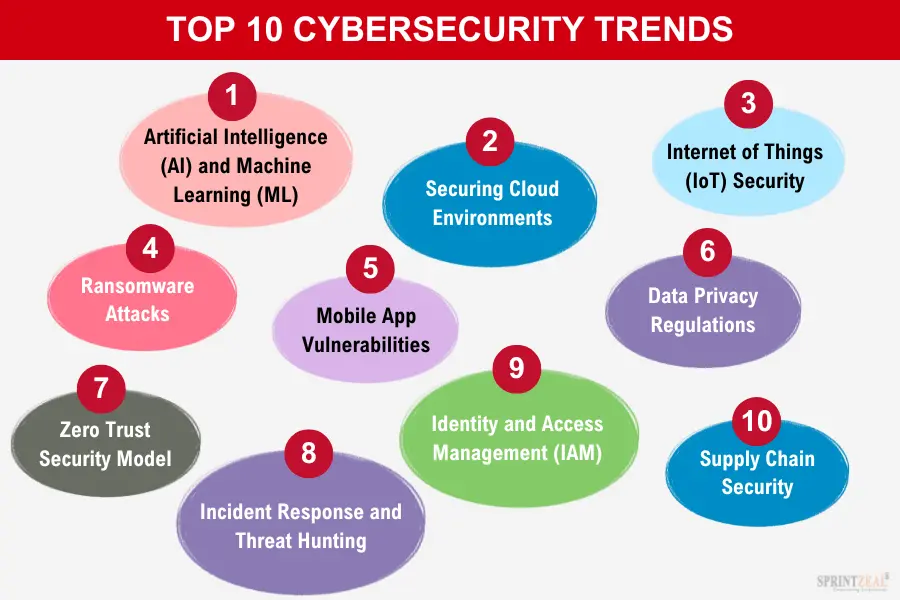

Why AI is changing penetration testing
Penetration testing has traditionally been a manual, labor-intensive process. Security analysts spend weeks mapping networks, identifying entry points, and attempting to exploit vulnerabilities. This manual approach is effective but struggles to keep pace with the scale and speed of modern digital infrastructure. As organizations adopt cloud-native architectures and microservices, the attack surface expands exponentially, making traditional testing methods increasingly inefficient.
AI-driven penetration testing tools automate the reconnaissance and exploitation phases. These systems can scan thousands of endpoints simultaneously, identifying misconfigurations and known vulnerabilities in minutes rather than days. By leveraging machine learning algorithms, AI models can predict likely attack vectors based on historical data and current threat intelligence. This allows security teams to prioritize remediation efforts based on actual risk rather than guesswork.
The shift toward AI-assisted testing also reduces human error. Manual testing is prone to fatigue and oversight, especially during repetitive scanning tasks. AI tools operate with consistent precision, ensuring that no vulnerability is missed due to human fatigue. These tools can run continuously, providing real-time insights into the security posture of an organization.
While AI enhances speed and scale, it does not replace the need for human oversight. Automated tools may generate false positives or miss nuanced logic flaws that require human intuition to detect. The most effective security strategies combine AI-driven automation with expert analysis, ensuring both breadth and depth in vulnerability assessment.
Top AI security tools for 2026
The landscape of network defense has shifted from reactive patching to proactive, AI-driven containment. In 2026, the most effective tools are those that blend machine learning with automated response capabilities, reducing the time between detection and mitigation. Below is a curated selection of leading AI-powered cybersecurity platforms that define the current standard for network security.
CrowdStrike Falcon
CrowdStrike continues to lead the endpoint detection and response (EDR) market with its cloud-native architecture. The platform’s AI engine, Falcon Insight, analyzes behavioral patterns across endpoints in real-time, identifying anomalies that traditional signature-based tools miss. Its lightweight agent ensures minimal performance impact while providing comprehensive visibility into network traffic and user activities, making it a cornerstone for modern threat hunting.
Darktrace
Darktrace distinguishes itself with its Enterprise Immune System, which uses unsupervised machine learning to establish a baseline of normal network behavior. Unlike supervised models that rely on known threat signatures, Darktrace learns what is "normal" for each specific organization, allowing it to detect novel attacks and insider threats. Its Autonomous Response feature can automatically isolate compromised devices or block malicious traffic without human intervention, significantly reducing the attack surface.
Palo Alto Networks Cortex XDR
Palo Alto Networks Cortex XDR integrates data from endpoints, networks, and the cloud into a single platform. Its AI-driven correlation engine links seemingly unrelated events across different security layers to identify complex, multi-stage attacks. By providing a unified view of threats, Cortex XDR simplifies incident response and reduces alert fatigue for security operations centers (SOCs). The platform’s automated playbooks streamline remediation workflows, ensuring consistent and rapid responses to emerging threats.
| Tool | Primary Focus | AI Capability | Response Type |
|---|---|---|---|
| CrowdStrike Falcon | Endpoint Detection | Behavioral Analysis | Automated Isolation |
| Darktrace | Network Traffic | Unsupervised Learning | Autonomous Response |
| Palo Alto Cortex XDR | XDR Integration | Cross-Layer Correlation | Automated Playbooks |
How AI improves network security
Artificial intelligence transforms network security from a reactive discipline into a proactive defense system. Traditional security tools rely on static signatures and predefined rules, which means they can only detect threats they have already seen. AI-driven systems, by contrast, use machine learning to establish a baseline of normal network behavior and flag anomalies in real time. This shift allows organizations to identify and neutralize threats before they cause significant damage.
The primary advantage of AI in this context is speed. When a potential breach occurs, human analysts may take hours or days to investigate alerts. AI algorithms can process millions of data points per second, isolating suspicious activity and initiating automated responses instantly. This rapid reaction time is critical for containing ransomware and other fast-moving attacks that exploit vulnerabilities within seconds of discovery.
AI also enhances the accuracy of threat detection by reducing false positives. Legacy systems often generate thousands of alerts daily, many of which are benign. This "alert fatigue" causes security teams to miss genuine threats amidst the noise. AI models continuously learn from new data, refining their detection capabilities and focusing analyst attention on high-confidence risks. This efficiency ensures that security resources are deployed where they matter most.
While AI provides powerful automated defenses, it works best when integrated with established security frameworks. Organizations should align their AI implementations with standards from bodies like CISA and NIST to ensure comprehensive coverage. Combining AI-driven tools with human expertise creates a layered defense strategy that is both agile and resilient against evolving cyber threats.
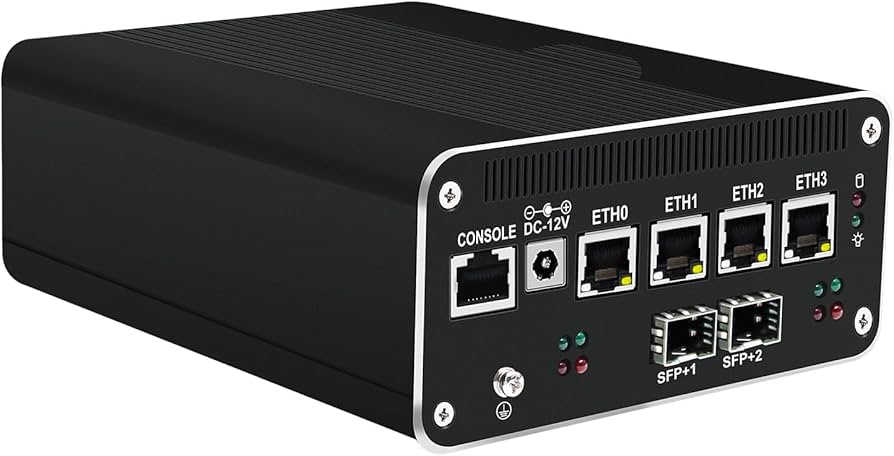


As an Amazon Associate, we may earn from qualifying purchases.
Challenges in AI cybersecurity adoption
AI-driven pen testing and network security tools promise speed, but they introduce distinct friction points that teams must manage. The primary hurdle is the volume of false positives. Automated scanners often flag benign activities as threats, leading to "alert fatigue" where security analysts become desensitized to warnings. This noise dilutes the value of the tool, requiring significant time to triage and validate findings before action can be taken.
Beyond accuracy, ethical concerns complicate deployment. Using AI to simulate attacks means the technology itself is powerful enough to cause harm if misconfigured or used maliciously. Organizations must establish strict governance policies to ensure these tools are used solely for defensive purposes. Without clear boundaries, the same algorithms that harden a network could be repurposed to exploit it.
Finally, AI cannot replace human oversight. It excels at pattern recognition but struggles with context. A sophisticated attacker may mimic normal behavior to evade detection, a nuance that requires human intuition to catch. Tools like those from Tenable or Qualys provide the data, but security architects must interpret the strategic implications. The goal is not automation for its own sake, but augmentation—using AI to handle scale while humans handle complexity.
Frequently asked questions about AI security
AI-driven penetration testing and network security tools are reshaping how organizations defend against digital threats. These systems automate vulnerability detection, analyze traffic patterns, and identify anomalies faster than traditional manual methods. Below are common questions about their effectiveness, implementation, and cost.
No comments yet. Be the first to share your thoughts!