

What cybersecurity means today
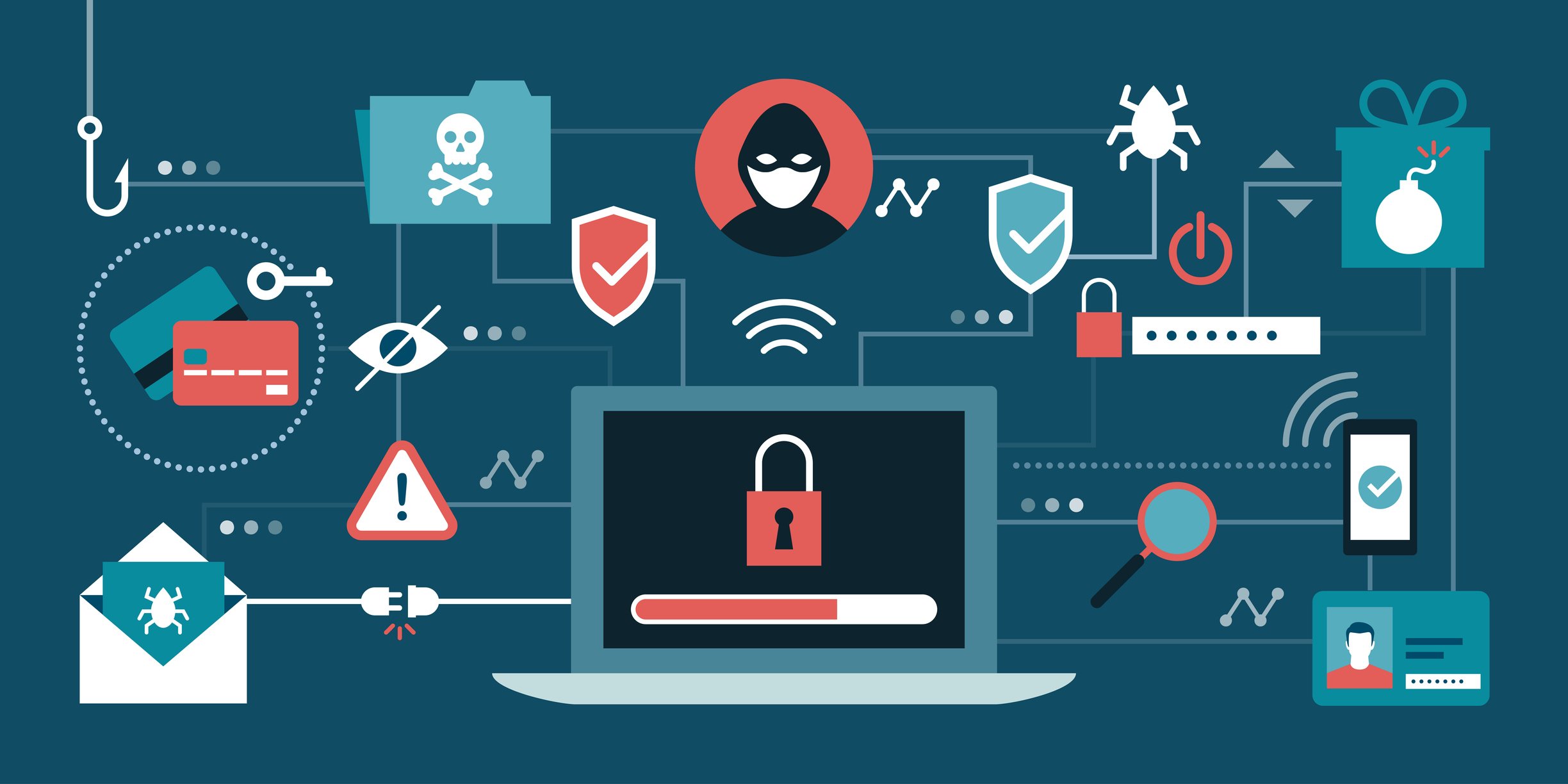
Cybersecurity is no longer just about installing antivirus software or locking the front door. It is the convergence of people, processes, and technology working together to protect organizations, individuals, and networks from digital attacks src-serp-2. Think of it as a three-legged stool: if any one leg is weak, the entire structure collapses.
The Human Element
People are often the first line of defense and the biggest vulnerability. Phishing attacks and social engineering exploit human trust rather than technical flaws. Training employees to recognize suspicious emails and enforcing strict access controls are as important as any firewall.
Process and Policy
Robust processes ensure that security isn't an afterthought but a standard operating procedure. This includes incident response plans, regular software updates, and data backup protocols. Without clear policies, even the best technology can be misconfigured or ignored.
Technology Stack
Technology provides the tools for detection and prevention. Firewalls, intrusion detection systems, and encryption protect data in transit and at rest. However, these tools are only effective when managed by trained people and guided by consistent processes.
In the AI era, this convergence becomes even more critical. AI-driven attacks can automate phishing and bypass traditional defenses, making the human and process components more vital than ever. Protecting networks now requires a unified approach where technology supports people, and processes guide both.
How AI changes the threat landscape
Artificial intelligence has shifted the balance of power in cybersecurity from defenders to attackers. The primary keyword for this era is AI-driven threats, and they operate on a scale and speed that manual attacks simply cannot match. Where traditional cybercrime relied on human labor to identify vulnerabilities and craft exploits, AI automates the entire kill chain, allowing adversaries to test thousands of attack vectors simultaneously.
This shift means that the "noise" of daily network traffic is no longer just background static; it is a battlefield where AI agents compete in real-time. Attackers use generative models to write polymorphic malware that changes its signature with every execution, evading static signature-based detection systems. They also deploy AI-powered social engineering tools to create hyper-realistic phishing emails and voice clones, bypassing human skepticism and multi-factor authentication protocols that were designed for more rudimentary scams.
The sophistication of these attacks outpaces traditional detection methods because they adapt. An AI-driven botnet can learn from failed login attempts and adjust its IP rotation strategy or credential-stuffing patterns on the fly. This dynamic behavior makes it nearly impossible for legacy firewalls and intrusion detection systems to distinguish between legitimate user activity and a coordinated, intelligent assault.
To combat this, organizations must move beyond perimeter-based security. The new reality requires AI-driven defense mechanisms that can match the speed of the offense. This includes behavioral analytics that detect anomalies in user activity, automated threat hunting that proactively searches for indicators of compromise, and zero-trust architectures that verify every request regardless of origin. The goal is not just to block known threats, but to identify and neutralize novel attacks based on intent and behavior rather than static signatures.
Zero trust network architecture
The old perimeter model relied on a single gate: if you were inside the firewall, you were trusted. That approach is obsolete. Zero Trust operates on a different premise: never trust, always verify. Every request to access a resource is treated as if it originates from an open network, regardless of whether the user is sitting in the office or working remotely.
This model shifts security from the network edge to the data itself. It assumes breach and verifies each request as though it originated from an open network. To implement this, organizations must enforce strict identity verification for every person and device trying to access resources. This includes multi-factor authentication (MFA), least-privilege access, and continuous monitoring of user behavior and device health.
The architecture relies on micro-segmentation to limit lateral movement. Instead of a flat network where a compromised laptop can access the entire database, traffic is segmented into smaller zones. If an attacker breaches one segment, they are contained. This granular control significantly reduces the blast radius of any potential intrusion.
Adopting Zero Trust is not a single product purchase but a strategic overhaul. It requires integrating identity management, endpoint security, and network segmentation. Organizations should start by mapping their data flows and identifying critical assets. From there, they can implement controls that verify users and devices before granting access, ensuring that only authorized entities can interact with sensitive information.
Key cybersecurity best practices
Organizations must move beyond reactive defense and adopt a layered approach to network protection. The most effective strategies combine automated technical controls with continuous human vigilance. By focusing on patching, monitoring, and training, teams can close the gaps that attackers exploit.
Patching and updating systems
Unpatched software remains one of the most common entry points for malware and ransomware. Organizations should implement automated patch management to ensure operating systems, applications, and firmware are updated immediately after security fixes are released. Regular vulnerability scans help identify missing updates before they can be exploited.
Continuous network monitoring
Real-time monitoring allows security teams to detect anomalies and potential breaches as they happen. Deploying intrusion detection systems (IDS) and security information and event management (SIEM) tools provides visibility into network traffic. Alerting on unusual activity, such as multiple failed login attempts or data exfiltration, enables rapid response before significant damage occurs.
Employee security training
Human error is often the weakest link in cybersecurity. Regular training sessions should teach employees how to recognize phishing emails, use strong passwords, and follow secure data handling protocols. Simulated phishing campaigns can help reinforce these lessons and measure the effectiveness of the training program over time.
Career Paths in Cybersecurity
The demand for cybersecurity professionals is outpacing the supply of skilled workers, creating a robust job market for those willing to enter the field. While the entry barrier can feel high, the industry offers diverse roles ranging from technical analysis to strategic policy management. Success depends less on innate talent and more on continuous learning and practical application of security principles.
Helpful gear
Use these product recommendations as a starting point, then choose the size, material, and price point that fit how you actually use the gear.



As an Amazon Associate, we may earn from qualifying purchases.
No comments yet. Be the first to share your thoughts!