
How AI changes network defense
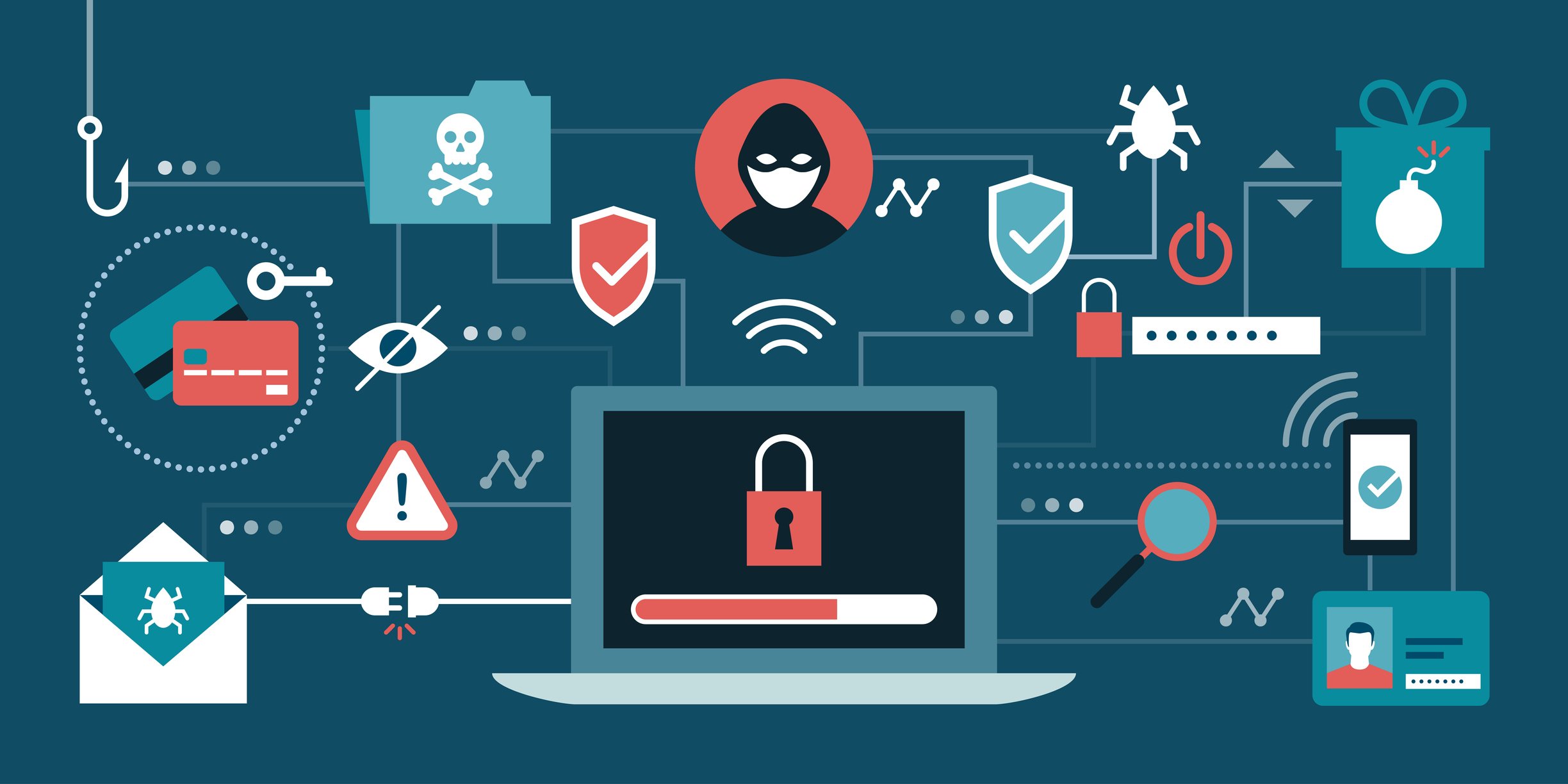
Traditional perimeter security no longer holds. Attackers now deploy AI to automate vulnerability scanning, generate polymorphic malware, and craft convincing phishing campaigns that bypass human scrutiny. A static firewall rule set cannot adapt to threats that evolve in real-time, creating a gap between defense capabilities and attacker speed.
The shift is from reactive detection to proactive mitigation. Intelligent cybersecurity tools use machine learning to analyze network traffic patterns, identifying anomalies that signal an intrusion before data is exfiltrated. This automation allows security teams to respond to incidents at machine speed, closing the window of exposure that attackers previously exploited.
Choosing the right cybersecurity tools means prioritizing those with built-in AI engines. These systems learn from global threat intelligence feeds, updating their detection models instantly. This continuous learning loop is essential for protecting modern networks against sophisticated, automated threats.
As we explore the best cybersecurity tools for 2026, the focus remains on platforms that leverage AI for real-time threat hunting and automated response. The following recommendations highlight products that integrate seamlessly into existing infrastructure while providing the intelligent oversight necessary to stay ahead of evolving attacks.
Top enterprise security platforms
Leading cybersecurity vendors have shifted from reactive monitoring to proactive, AI-driven defense. These enterprise-grade platforms integrate network security, endpoint protection, and artificial intelligence to detect anomalies before they escalate into breaches. The following solutions represent the current standard for organizations requiring comprehensive threat mitigation.
CrowdStrike Falcon
CrowdStrike Falcon uses a cloud-native architecture to deliver real-time protection across endpoints and cloud workloads. Its core strength lies in its threat intelligence graph, which correlates billions of signals daily to identify sophisticated attacks. The platform’s AI models analyze behavioral patterns rather than relying solely on known signatures, allowing it to stop zero-day exploits and fileless malware that traditional tools often miss.
Palo Alto Networks Cortex XDR
Palo Alto Networks Cortex XDR unifies endpoint, network, and cloud security into a single pane of glass. Its extended detection and response (XDR) capabilities leverage machine learning to correlate events across the entire attack chain. This holistic view enables security teams to automatically isolate compromised devices and trace the origin of an intrusion, significantly reducing the time required to contain a breach.
Microsoft Defender for Enterprise
Microsoft Defender for Enterprise extends the capabilities of its widely deployed ecosystem with advanced AI-driven security operations. It integrates deeply with Azure Active Directory and Microsoft 365, providing automated investigation and remediation for threats targeting identity and data. The platform’s Copilot-powered analysis helps analysts prioritize alerts by summarizing attack narratives and recommending response actions, streamlining the workflow for security teams.
SentinelOne Singularity
SentinelOne Singularity focuses on autonomous threat prevention using deep learning models trained on massive datasets. The platform operates with minimal human intervention, automatically detecting and stopping malicious activities in real-time. Its agentless scanning capabilities allow it to assess risks across hybrid environments without requiring additional hardware, making it a flexible choice for organizations managing complex, distributed IT infrastructures.
| Platform | Primary Focus | AI Capability | Deployment Model |
|---|---|---|---|
| CrowdStrike Falcon | Endpoint & Cloud | Behavioral Analysis | Cloud-Native |
| Palo Alto Cortex XDR | XDR & Network | Correlation Engine | Hybrid |
| Microsoft Defender | Identity & Data | Copilot Automation | Integrated Cloud |
| SentinelOne Singularity | Autonomous Prevention | Deep Learning | Agent-Based |
Essential tools for small business
Small businesses face the same sophisticated, AI-driven threats as large enterprises, but they often lack the dedicated IT staff to manage complex security stacks. The solution lies in affordable, easy-to-deploy cybersecurity solutions that automate much of the heavy lifting. By prioritizing tools with built-in AI threat mitigation, small businesses can close critical gaps without hiring a security operations center.
The modern threat landscape is like a lockpick set for digital assets; attackers use AI to find tiny weaknesses in real-time. To counter this, small businesses need tools that act as an automated guard, constantly scanning for anomalies and blocking attacks before they cause damage. This approach shifts the burden from manual monitoring to intelligent, proactive defense.
Endpoint Protection with AI Detection
Traditional antivirus software is no longer enough. Modern endpoint protection platforms (EPP) use machine learning to detect unknown malware and ransomware behaviors rather than relying solely on known virus signatures. These tools run quietly in the background, consuming minimal system resources while providing real-time protection against fileless attacks and social engineering attempts.
Cloud Security Posture Management
For small businesses running on platforms like AWS, Azure, or Google Cloud, misconfigurations are the leading cause of data breaches. Cloud Security Posture Management (CSPM) tools automatically scan your cloud environment for vulnerabilities, such as open storage buckets or overly permissive access roles, and suggest fixes. This ensures your cloud infrastructure remains secure as your business scales.
Managed Detection and Response (MDR)
MDR services provide 24/7 monitoring of your network and endpoints by a team of external security experts. Instead of buying expensive hardware and hiring staff, small businesses can subscribe to MDR for a monthly fee. The service uses AI to analyze alerts and human analysts to investigate threats, providing a level of defense that rivals larger corporations.
Identity and Access Management
Strong identity management is the first line of defense. Implementing Multi-Factor Authentication (MFA) and Single Sign-On (SSO) solutions reduces the risk of credential theft. Modern identity tools also use AI to detect unusual login patterns, such as logins from new locations or devices, and can automatically block suspicious activity.


As an Amazon Associate, we may earn from qualifying purchases.
Choosing the right security stack
Building a cybersecurity stack is less about buying the most expensive tools and more about matching specific defenses to your actual threat vectors. A small business facing phishing attacks needs a different configuration than an enterprise securing API endpoints. Start by identifying your primary risks: is it external network intrusion, internal data leakage, or social engineering?
Budget often dictates the depth of your AI-driven capabilities. Free or low-cost tools typically offer basic signature-based detection, which is insufficient against modern polymorphic malware. Investing in AI-powered endpoint protection allows for behavioral analysis that catches zero-day threats before they execute. For most organizations, the priority should be allocating funds to AI-enhanced threat detection rather than redundant legacy firewalls.
Technical expertise is the final filter. Complex enterprise suites like CrowdStrike Falcon or Microsoft Defender XDR offer superior AI-driven orchestration but require dedicated security operations center (SOC) staff to interpret alerts and tune policies. If you lack dedicated IT security personnel, choose integrated platforms that automate response actions, reducing the cognitive load on your team while maintaining robust protection.
Common questions about cybersecurity tools
What does cybersecurity do exactly?
Cybersecurity involves preventing, detecting, and responding to attacks that target digital assets. It protects networks, devices, and data from unauthorized access or damage. Tools in this space use AI-driven threat mitigation to identify anomalies before they become breaches. This proactive stance is essential for maintaining operational continuity.
Is cybersecurity hard for beginners?
The field requires a solid foundation in networking, operating systems, and coding. While the learning curve is steep, structured certifications and hands-on labs make entry possible for dedicated beginners. The complexity increases as threats evolve, requiring continuous education to stay effective against modern AI-powered attacks.
Is cybersecurity a high salary?
Yes, cybersecurity roles typically command above-average salaries due to the high demand for skilled professionals. The Bureau of Labor Statistics reports that median annual wages for information security analysts are significantly higher than the national median. Specialized skills in AI defense and cloud security further increase earning potential.
Can you make $500,000 a year in cybersecurity?
While rare, six-figure salaries are possible for top-tier experts in specialized roles. Positions such as Chief Information Security Officer (CISO) or senior AI security architects at major tech firms can reach this income level. However, most professionals in the field earn between $100,000 and $200,000, depending on experience and location.
No comments yet. Be the first to share your thoughts!