

The 2026 threat landscape explained
Cybersecurity in 2026 is no longer just about perimeter defense; it is an arms race against AI-augmented adversaries. Attackers are leveraging machine learning to automate vulnerability discovery, craft convincing phishing campaigns, and generate polymorphic malware that evades signature-based detection. For IT decision-makers, the static security models of the past are obsolete. The threat environment has shifted from opportunistic crime to sophisticated, automated campaigns that adapt in real-time.
The urgency is quantifiable. Industry projections indicate a significant spike in AI-driven cyber incidents this year, with automated attacks accounting for a larger share of breaches than ever before.
Statistically, the volume of automated attacks has outpaced traditional detection capabilities. Organizations that rely solely on manual monitoring or outdated rule sets are effectively blind to the speed at which modern threats propagate. Proactive defense now requires integrating AI-powered penetration testing tools that can simulate these advanced attacks before malicious actors do.
This shift demands a new operational rhythm. Security teams must move from reactive patching to continuous validation. By adopting AI-driven security operations, organizations can close the gap between threat emergence and response, turning the tide in a landscape where speed is the primary defense mechanism.
How AI changes penetration testing
Traditional penetration testing relies on skilled analysts manually probing systems for vulnerabilities. This manual approach is thorough but slow, often limited by the tester's available time and the sheer scale of modern networks. AI-driven penetration testing automates these discovery and exploitation phases, allowing security teams to test continuously rather than in periodic, snapshot audits.
AI tools leverage machine learning to identify patterns that humans might miss or take too long to find. These systems can simulate sophisticated attack vectors at scale, prioritizing risks based on real-time threat intelligence. This shift moves cybersecurity from a reactive, checklist-based exercise to a proactive, dynamic defense mechanism.
The table below compares the operational differences between manual and AI-enhanced testing methodologies.
| Feature | Manual Testing | AI-Driven Testing |
|---|---|---|
| Speed | Slow (weeks to months) | Fast (hours to days) |
| Coverage | Limited by human capacity | Comprehensive network-wide |
| Consistency | Varies by tester | Standardized and repeatable |
| Cost | High labor costs | Lower long-term operational costs |
Top network security tools for 2026
The shift toward AI-driven network defense has transformed the vendor landscape. Security teams no longer need to rely solely on signature-based detection; they require platforms that can predict and neutralize threats in real-time. The following tools represent the current standard for AI-enhanced network security and penetration testing.
Darktrace Enterprise Immune System
Darktrace uses unsupervised machine learning to establish a baseline of normal network behavior. Unlike traditional systems that look for known malicious signatures, Darktrace identifies deviations that suggest an active intrusion. Its AI model operates autonomously, responding to threats without human intervention. This capability is essential for detecting zero-day exploits and insider threats that bypass standard firewalls. The system’s self-learning nature ensures it adapts to evolving network traffic patterns, providing continuous protection without constant manual tuning.
Tenable.io
Tenable.io has integrated artificial intelligence to prioritize vulnerabilities based on actual risk rather than just severity scores. The platform analyzes network exposure and asset criticality to determine which weaknesses pose the greatest immediate threat. This AI-driven prioritization allows security teams to focus their efforts on the most dangerous gaps in their network defense. By automating the triage process, Tenable reduces the time required to remediate critical issues, significantly lowering the attack surface for enterprise networks.
CylancePROTECT
CylancePROTECT utilizes predictive AI to stop malware before it executes. Instead of relying on behavioral analysis after an infection has started, the tool examines file characteristics to determine malicious intent. This proactive approach is particularly effective against advanced persistent threats and fileless malware. The AI models are updated continuously, ensuring that the network defense remains effective against new and emerging attack vectors without waiting for vendor signature updates.

As an Amazon Associate, we may earn from qualifying purchases.
Implementing AI security in your stack
Integrating AI penetration testing and network defense tools requires a structured approach to ensure they complement, rather than complicate, your existing infrastructure. The goal is to automate routine detection and response tasks while maintaining human oversight for critical decisions. This section outlines the practical steps to deploy these technologies effectively.
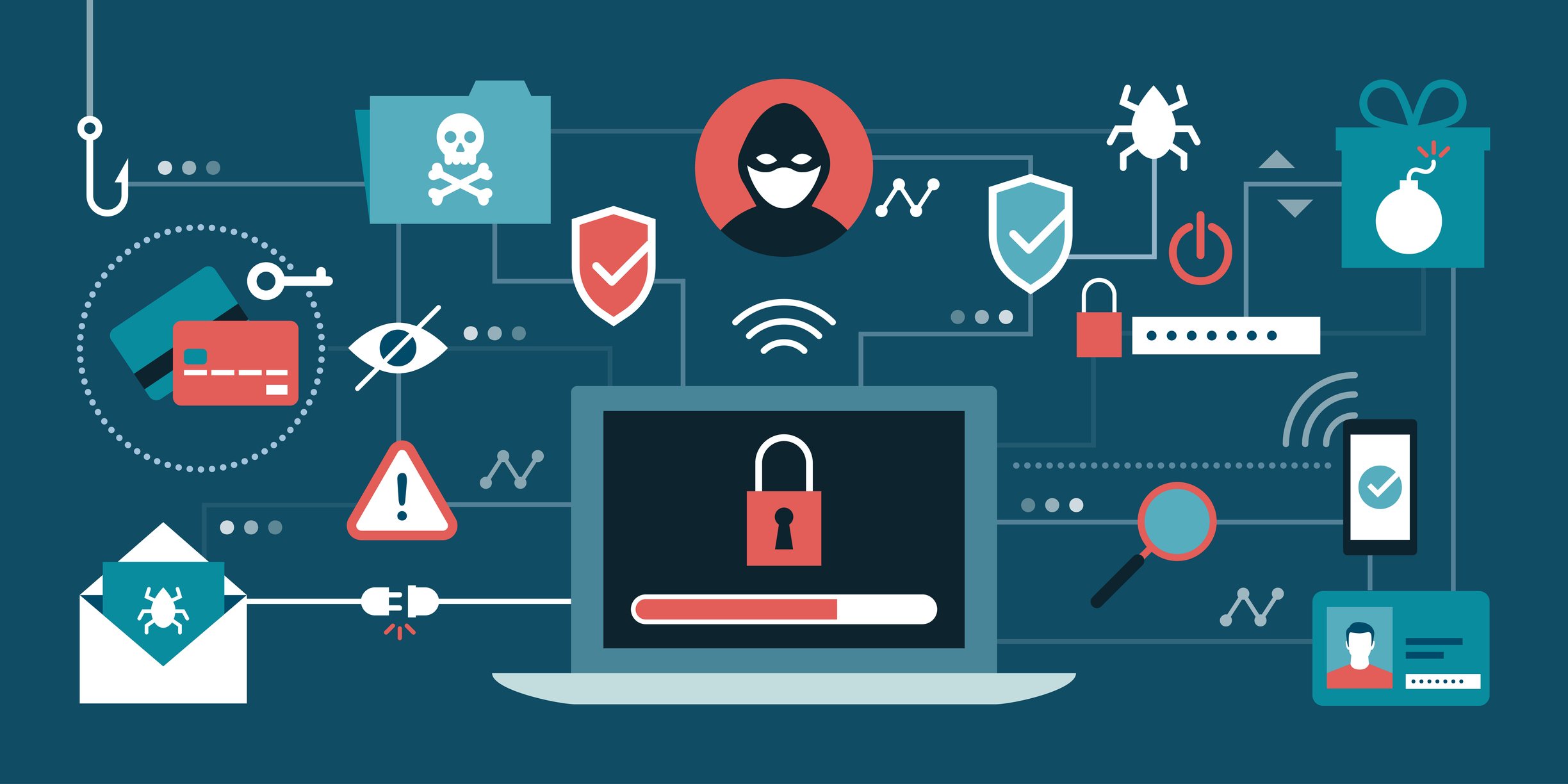
Before introducing AI tools, map your current security posture. Identify legacy systems, open ports, and known vulnerabilities that AI models need to understand. This baseline ensures the AI can distinguish between normal operations and genuine threats without generating excessive false positives.
Choose AI-driven pentesting platforms that integrate with your current stack. Look for tools that use machine learning to simulate advanced persistent threats (APTs) and identify zero-day vulnerabilities. Ensure the tool supports automated reporting and integrates with your existing ticketing systems for seamless remediation workflows.
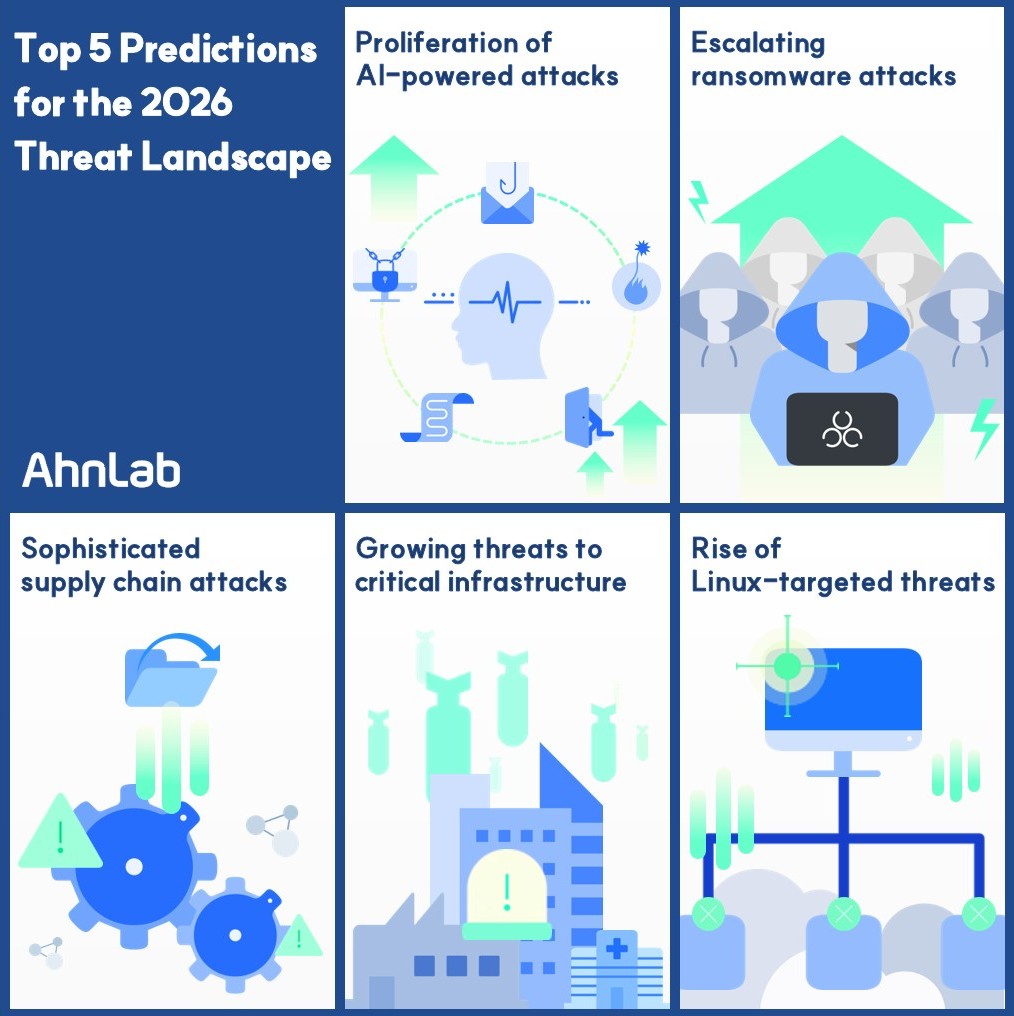
Install AI-powered network defense agents on critical servers and endpoints. These agents monitor traffic patterns in real-time, using behavioral analysis to detect anomalies. Configure them to automatically isolate compromised devices or block malicious IP addresses, reducing the response time from hours to seconds.
Connect your AI tools to a Security Information and Event Management (SIEM) system. This centralizes logs and alerts, allowing security teams to correlate AI-generated insights with other security events. A unified view helps in understanding the broader context of an attack and prioritizing responses based on risk severity.

AI models drift over time as threat landscapes evolve. Schedule regular reviews of AI performance metrics and false positive rates. Retrain models with new data to ensure they remain effective against emerging threats. This continuous tuning process is essential for maintaining the long-term efficacy of your AI security stack.
Common questions about AI security
As AI penetration testing tools become standard in network defense, IT leaders often face specific hurdles regarding implementation and reliability. These answers address the most frequent queries about integrating AI into your cybersecurity stack.
No comments yet. Be the first to share your thoughts!