


Why cybersecurity matters now
Cybersecurity is no longer just an IT department concern; it is the convergence of people, processes, and technology that protects organizations from digital attacks. As threats evolve from simple malware to sophisticated, state-sponsored campaigns, the tools used for network defense and penetration testing must adapt accordingly. The landscape demands a shift from reactive patching to proactive resilience, where every layer of your infrastructure is scrutinized for vulnerabilities before an adversary exploits them.
The urgency of this shift is underscored by data from the Center for Internet Security (CISA), which emphasizes that preventative measures are the most effective way to manage cyber risk. Without robust network defense strategies, even minor oversights can lead to significant data breaches and operational downtime. Penetration testing serves as the critical stress test for these defenses, revealing weaknesses that automated scanners might miss.
Choosing the right cybersecurity tools is the first step in building a resilient posture. This guide focuses on practical, high-impact solutions that help security teams identify vulnerabilities, monitor network traffic, and respond to incidents effectively. By prioritizing tools that integrate seamlessly into existing workflows, organizations can reduce their attack surface and maintain trust with their customers.
Top network security solutions
Network security tools act as the digital immune system for your organization, identifying and neutralizing threats before they compromise critical infrastructure. Effective defense requires a layered approach, combining perimeter defenses with endpoint visibility to create a robust security posture.
The threat landscape has shifted from simple malware to sophisticated, multi-vector attacks. Organizations now rely on integrated suites that offer firewalls, intrusion detection systems (IDS), and endpoint protection platforms (EPP) to monitor traffic and isolate compromised devices. Choosing the right combination depends on your network size, compliance requirements, and budget.
Below are concrete network security products available for immediate purchase. These selections represent widely recognized solutions for protecting network perimeters and endpoints.



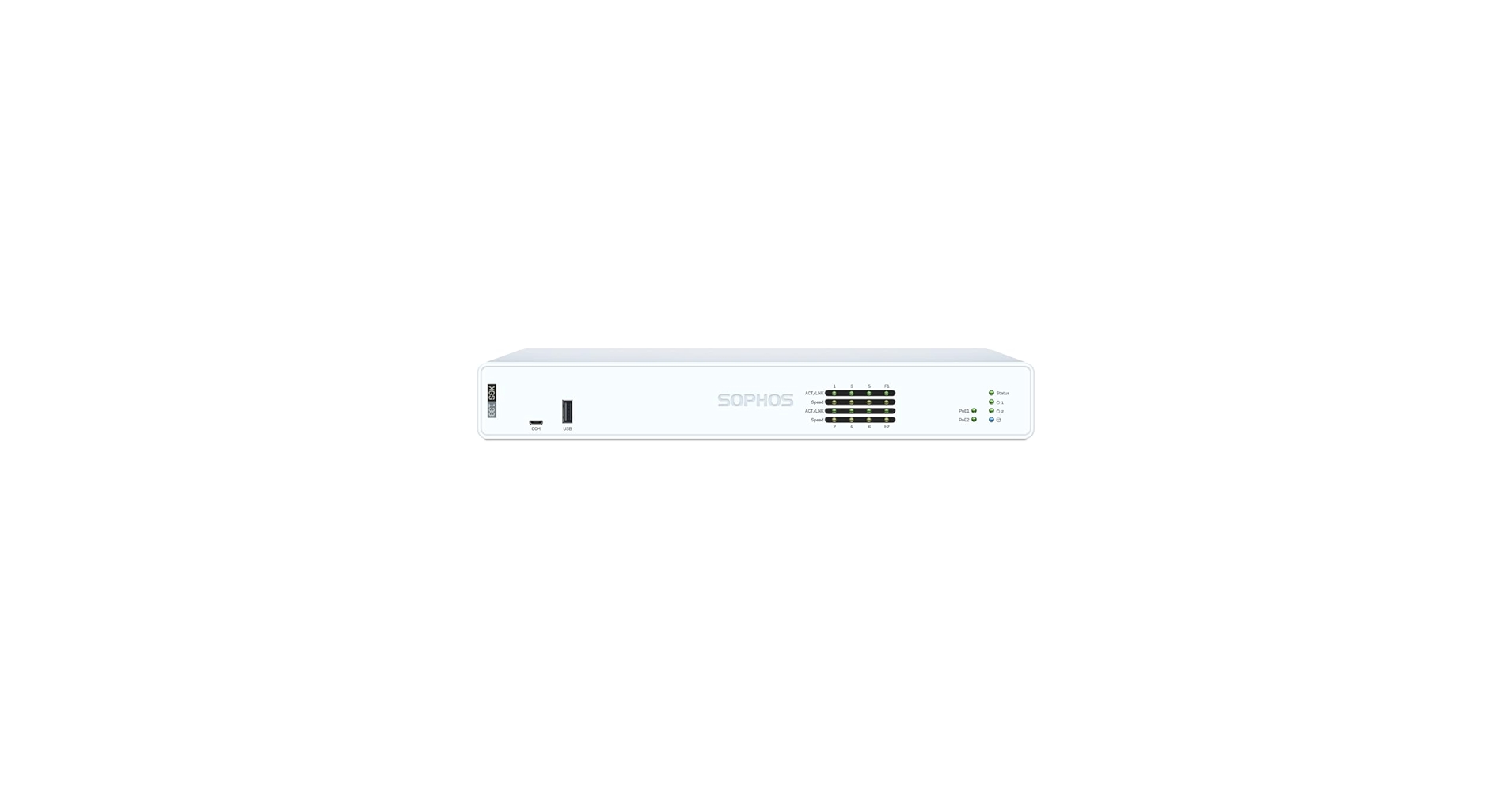
As an Amazon Associate, we may earn from qualifying purchases.
When evaluating these tools, prioritize solutions that offer centralized management and automated threat intelligence updates. A fragmented security stack often leaves gaps that attackers can exploit. For authoritative guidance on implementing these technologies, refer to NIST cybersecurity frameworks.
Essential Penetration Testing Kits
Penetration testing, or ethical hacking, simulates real-world attacks to identify vulnerabilities before malicious actors exploit them. While software suites like Metasploit and Burp Suite handle the logic, the physical layer often requires dedicated hardware to bridge the gap between digital code and network infrastructure. These kits bundle the necessary adapters, wireless cards, and microcomputers needed to perform authorized assessments on local area networks, Wi-Fi, and embedded systems.
Using pre-configured hardware saves time during engagements. Instead of sourcing compatible components individually, these kits provide plug-and-play solutions that often come with pre-installed operating systems like Kali Linux or Parrot OS. This allows security professionals to focus on configuration and execution rather than driver compatibility. For organizations looking to build an internal red team, investing in a robust hardware foundation ensures that the tools are always ready for immediate deployment.
The following Amazon product selections highlight popular hardware bundles and accessories used in modern penetration testing. These items cover the core requirements for network auditing and wireless security assessments.



As an Amazon Associate, we may earn from qualifying purchases.
When selecting tools, prioritize devices that support monitor mode and packet injection for wireless testing, as these are standard requirements for 802.11 security assessments. For network-level testing, ensure your hardware includes Gigabit Ethernet adapters with checksum offloading disabled to prevent packet loss during high-volume traffic analysis. Always verify that any hardware you purchase is compatible with your primary security distribution, whether that is Kali, Parrot, or a custom Linux build.
Comparing security tool features
Choosing the right cybersecurity stack requires balancing detection capabilities, operational complexity, and budget. The table below contrasts key features across leading network defense and pen testing solutions to help you match tools to your organization's size and risk profile.
| Tool | Detection Rate | Ease of Use | Price Range |
|---|---|---|---|
| Darktrace Enterprise | AI-driven behavioral | Moderate | $$$ |
| CrowdStrike Falcon | Endpoint & Cloud | High | $$$ |
| Tenable Nessus | Vulnerability Scanning | Low | $$ |
| Palo Alto Cortex | XDR Integrated | High | $$$ |
| Burp Suite Professional | Web App Pen Testing | Moderate | $$ |
Smaller teams often prioritize ease of use and automated response, making platforms like CrowdStrike or Darktrace attractive for reducing manual overhead. Larger enterprises with dedicated security operations centers (SOCs) may prefer the granular control offered by Tenable or Palo Alto Cortex, despite the steeper learning curve. For penetration testing, Burp Suite remains the industry standard for web application security, though it requires specialized skills to interpret results accurately.
When evaluating these tools, consider how they integrate with existing infrastructure. NIST guidelines emphasize that effective cybersecurity depends on layered defenses rather than a single silver bullet NIST. Ensure your selected tools can share telemetry and threat intelligence to create a cohesive defense strategy.
Career paths in cybersecurity
The tools we’ve reviewed are only as effective as the people wielding them. As cyber threats grow more sophisticated, the demand for skilled professionals continues to outpace supply. This talent gap creates significant opportunities for those willing to invest in the right skills and certifications.
Compensation in this field reflects the high stakes involved. According to recent data, cybersecurity specialists in high-demand regions like California can earn between $127,000 and $226,000 annually, with some senior roles reaching the $200,000 mark. These figures are often higher than the national average, underscoring the premium placed on expertise in network defense and penetration testing.
Mastering these tools is a practical first step toward a stable, well-compensated career. Whether you are looking to become a security analyst, a penetration tester, or a network defender, proficiency with industry-standard software provides a strong foundation. For more information on industry standards and career frameworks, you can refer to resources from CISA and NIST.
Common questions about security tools
Cybersecurity professionals who have reached senior levels often command salaries around $200,000 a year, particularly in high-cost regions. According to Glassdoor, specialists in California earn between $127,000 and $226,000 annually, with an average total pay of $168,000. This is notably higher than the national average of $147,000, reflecting the premium placed on experienced talent in critical infrastructure defense.
No comments yet. Be the first to share your thoughts!