

Why 2026 demands stronger network security
The landscape of digital defense has shifted fundamentally. Cybersecurity is no longer just about installing antivirus software; it is the convergence of people, processes, and technology designed to protect organizations from increasingly sophisticated digital attacks Cisco. In 2026, this protection must be proactive rather than reactive, driven by the reality that threat actors now leverage artificial intelligence to automate and scale their campaigns.
AI-driven threats have raised the stakes for network defense. Attackers use machine learning to identify vulnerabilities faster than human analysts can patch them. This automation means that traditional perimeter defenses are insufficient. Organizations must adopt tools that can detect anomalies in real-time, adapting to new attack vectors as they emerge. The cost of a breach is no longer just financial; it is existential for many businesses.
This shift requires a new class of cybersecurity tools. Network defense solutions must offer deep visibility into traffic patterns, while pen testing platforms need to simulate AI-enhanced attacks to find weaknesses before criminals do. The tools selected for 2026 reflect this urgency, focusing on automation, intelligence, and speed. Choosing the right combination of these tools is critical for maintaining a secure network environment in an era where the threat landscape evolves daily.
Top enterprise network security platforms
Enterprise network security platforms act as the central nervous system for organizational defense. They aggregate data from endpoints, cloud workloads, and physical infrastructure to detect anomalies before they escalate into breaches. Unlike standalone antivirus tools, these platforms provide visibility across the entire attack surface, allowing security teams to respond to threats in real time.
Modern platforms integrate artificial intelligence to reduce alert fatigue. By correlating events across different data sources, they distinguish between false positives and genuine threats. This capability is essential for teams managing complex hybrid environments where traditional perimeter defenses no longer apply.
The following comparison highlights three leading platforms that dominate the enterprise market. Each offers distinct strengths in threat detection, automation, and scalability.
| Platform | Primary Strength | Deployment Model | Key Integrations |
|---|---|---|---|
| Palo Alto Networks Cortex XDR | Advanced threat hunting and AI-driven detection | Cloud-native and on-premise | Cortex XSOAR, Prisma Cloud |
| Cisco Secure | Deep integration with Cisco hardware and SD-Access | Hybrid cloud | Meraki, Duo Security, Splunk |
| CrowdStrike Falcon | Lightweight agent and cloud-based management | Cloud-only | AWS, Azure, Google Cloud, ServiceNow |
Palo Alto Networks Cortex XDR excels in environments requiring deep forensic analysis. Its integration with XSOAR allows for automated incident response, reducing the time from detection to containment. Organizations with existing Palo Alto firewalls often find the integration seamless, leveraging shared threat intelligence feeds.
Cisco Secure leverages its vast hardware ecosystem to provide visibility into network traffic at the packet level. It is particularly effective for enterprises already invested in Cisco infrastructure, offering unified management for network, identity, and email security. The platform’s strength lies in its ability to correlate physical network events with digital threats.
CrowdStrike Falcon stands out for its cloud-native architecture and minimal performance impact on endpoints. Its single-agent design simplifies deployment across large, distributed workforces. The platform’s threat intelligence is updated in real time, providing protection against zero-day exploits and advanced persistent threats.


As an Amazon Associate, we may earn from qualifying purchases.
Essential pen testing kits for security pros
Effective penetration testing relies on specialized hardware and software bundles that streamline reconnaissance, exploitation, and reporting. In 2026, security professionals prioritize portable, pre-configured kits that reduce setup time and ensure consistent results across diverse network environments.
Hardware-focused pen testing kits
Dedicated hardware kits provide the physical tools necessary for wireless auditing, hardware hacking, and physical security assessments. These devices often feature long battery life, ruggedized casings, and specialized antennas for extended range.
Software-based security audit suites
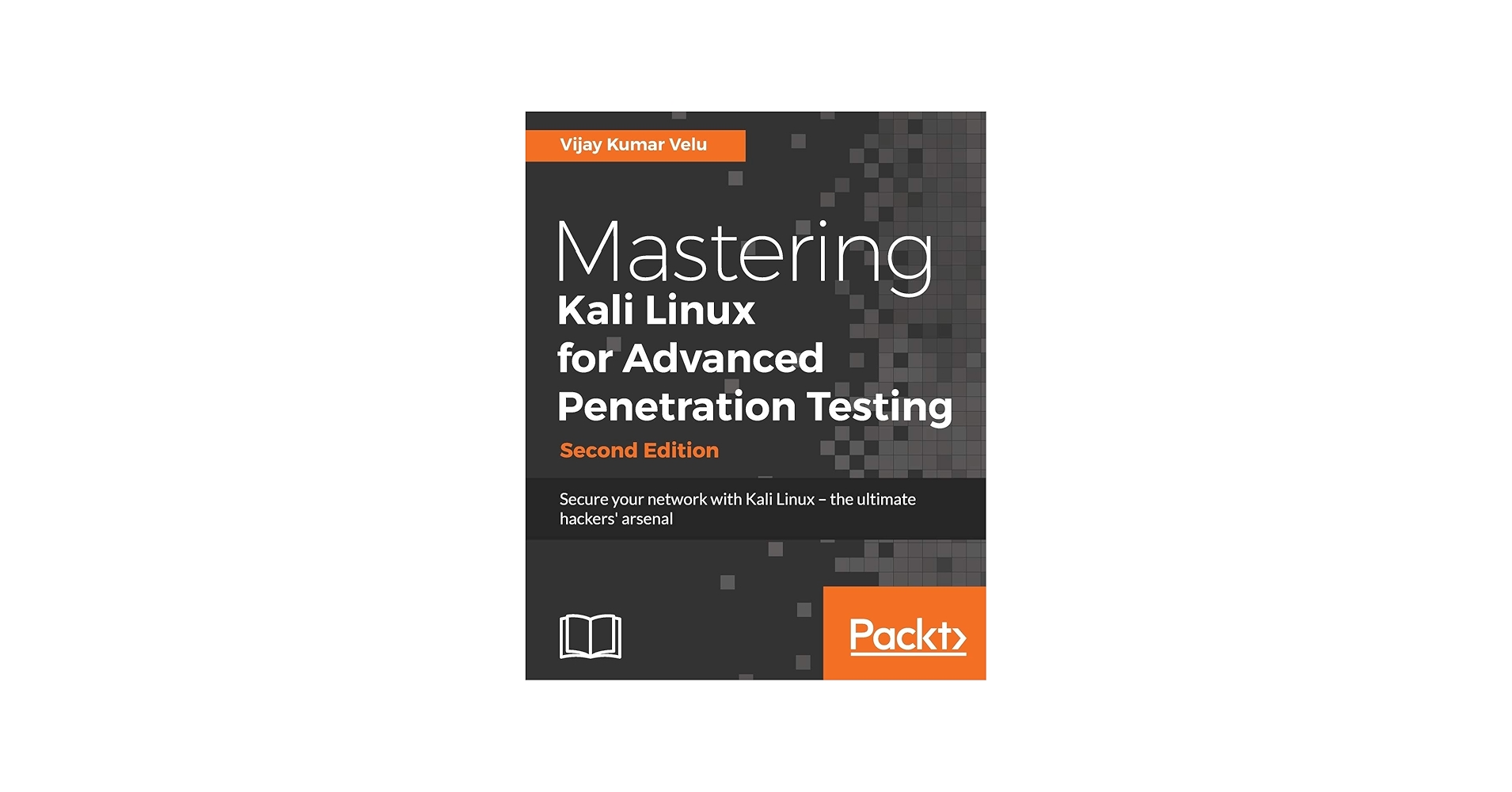
Comprehensive software suites automate vulnerability scanning, payload generation, and network mapping. Modern platforms integrate machine learning to prioritize findings and reduce false positives, allowing testers to focus on high-risk vulnerabilities.
All-in-one professional bundles
Complete bundles combine essential hardware with licensed software, offering a turnkey solution for individual consultants and small teams. These kits typically include training resources and dedicated support channels to accelerate proficiency.

As an Amazon Associate, we may earn from qualifying purchases.
AI in network defense and penetration testing
Artificial intelligence has become the primary engine for both attackers and defenders in 2026. On the offensive side, threat actors use machine learning to automate vulnerability discovery and generate polymorphic malware that evades traditional signature-based detection. These systems can adapt attack vectors in real-time, making static firewalls increasingly obsolete.
Defensive teams counter this by deploying AI-driven security operations centers (SOCs) that analyze network traffic patterns at scale. These tools identify anomalies that human analysts might miss, reducing response times from days to minutes. The most effective solutions integrate seamlessly with existing infrastructure, providing actionable alerts rather than overwhelming data streams.
Core AI security solutions
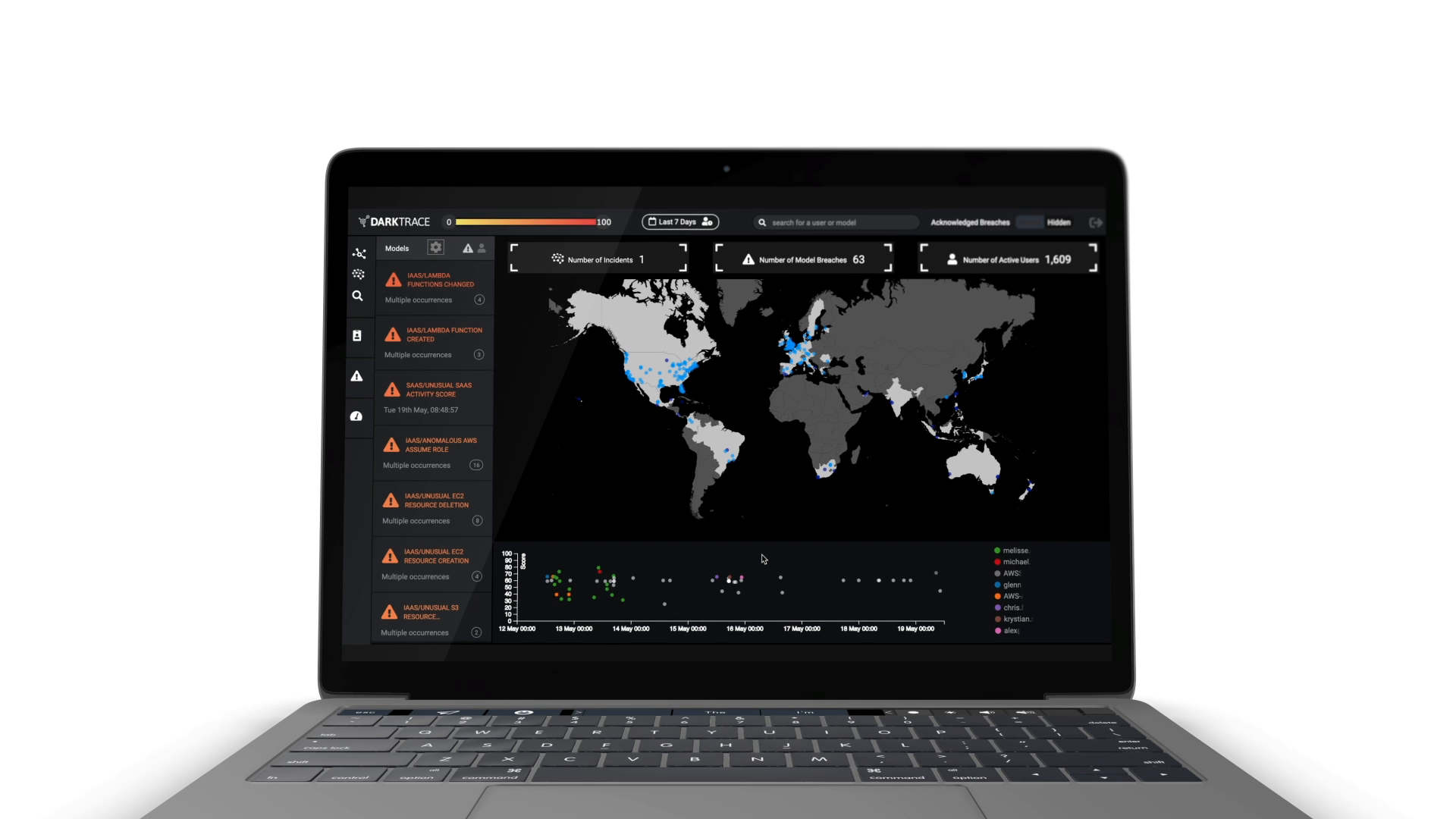
Darktrace Enterprise Immune System Darktrace uses unsupervised machine learning to build a baseline of normal network behavior. It detects subtle deviations indicative of insider threats or advanced persistent threats (APTs). The system autonomously responds to attacks, neutralizing threats before they spread laterally across the network.
CrowdStrike Falcon Insight Falcon Insight leverages AI to correlate endpoint data with cloud telemetry. It identifies complex attack chains by connecting seemingly unrelated events across devices. This holistic view helps security teams prioritize high-risk incidents and reduce false positives.
Microsoft Defender for Cloud Apps This tool uses AI to monitor cloud application usage and detect risky behavior. It identifies shadow IT and unusual access patterns, such as logins from unexpected locations or devices. The platform provides automated remediation actions to contain potential breaches.


As an Amazon Associate, we may earn from qualifying purchases.
The integration of AI into cybersecurity is no longer optional. Organizations that fail to adopt these intelligent defense systems will struggle to keep pace with the speed and sophistication of modern cyberattacks. The focus must shift from reactive measures to proactive, AI-enhanced threat hunting.
How to Choose the Right Cybersecurity Stack
Building a cybersecurity stack isn't about buying the most expensive tools; it's about matching capabilities to your specific risk profile and budget. A small business with a limited IT team needs a different approach than an enterprise with dedicated security analysts. The goal is to create a layered defense that prevents, detects, and responds to threats without creating operational bottlenecks.
Start by evaluating scalability and integration. Your tools must communicate with each other to share threat intelligence. For example, pairing a network intrusion detection system with a vulnerability scanner ensures that detected weaknesses are immediately contextualized against live threats. Avoid siloed solutions that require manual data correlation, as this delays response times and increases the risk of human error.
Focus on concrete product examples that offer clear value. Instead of abstract categories, look for specific solutions like

As an Amazon Associate, we may earn from qualifying purchases.

As an Amazon Associate, we may earn from qualifying purchases.
Frequently asked questions about cybersecurity tools
How do I choose the right pen testing tools for my team?
Start by matching tools to your specific infrastructure. For network defense, open-source suites like Metasploit or commercial platforms such as Burp Suite Pro offer different levels of automation. If your team is small, prioritize tools with guided workflows and reporting features to reduce the manual effort required for remediation.
Are AI-driven security tools worth the investment in 2026?
AI tools are essential for handling the volume of modern threats, particularly for anomaly detection in large networks. However, they work best as a layer alongside traditional signature-based tools. Use AI for initial triage and pattern recognition, but rely on human analysts for complex decision-making to avoid false positives that can disrupt business operations.
What certifications validate proficiency with these cybersecurity tools?
Practical certifications like OSCP (Offensive Security Certified Professional) are highly regarded for pen testing because they require hands-on exploitation skills. For defensive roles, CompTIA Security+ and CISSP provide the theoretical foundation needed to understand how tools like SIEMs and firewalls fit into a broader security architecture.
No comments yet. Be the first to share your thoughts!