

Why AI changes cybersecurity defense
Cybersecurity has always been about protecting critical systems, data, and networks from digital attacks. But the nature of those attacks has shifted. In 2026, relying on manual threat detection is like trying to stop a flood with a bucket. The volume and speed of modern threats require a different approach—one that leverages artificial intelligence to predict and neutralize risks before they cause damage.
AI-driven cybersecurity tools move defense from reactive to proactive. Instead of waiting for a breach to occur, these tools analyze patterns in real-time, identifying anomalies that human analysts might miss. This shift is critical because AI-driven attacks are rising, making AI-powered defense non-negotiable for any organization serious about protection.
This isn't just about faster response times; it's about fundamentally changing how security operates. Traditional tools often generate so many alerts that security teams suffer from fatigue, missing the actual threats among the noise. AI-driven solutions filter this noise, prioritizing genuine risks and allowing teams to focus on what matters. As cybercriminals adopt AI to craft more sophisticated attacks, the defense must evolve in kind.
The tools we examine in this guide are chosen specifically for their ability to harness this power. They represent the next generation of cybersecurity, where automation and intelligence work together to create a resilient shield against an increasingly complex threat landscape.
Top AI penetration testing platforms
AI penetration testing platforms have moved beyond simple vulnerability scanners to become active agents that simulate sophisticated attack vectors. These tools use machine learning to map attack surfaces, identify logic flaws, and generate proof-of-concept exploits with minimal human intervention. For security teams, this shift means faster identification of critical weaknesses before attackers can exploit them.
The following platforms represent the current state of automated red-teaming, each optimized for different aspects of the security lifecycle, from cloud infrastructure to web application logic.
Contrast Security
Contrast Security focuses on application-level security by embedding its agent directly into the running application code. This approach allows it to detect vulnerabilities like SQL injection and cross-site scripting in real-time without requiring complex external scanning configurations. Its AI engine correlates runtime data with static analysis to reduce false positives, providing developers with precise code-level context for fixes. This integration makes it particularly effective for DevSecOps pipelines where speed and accuracy are paramount.
Acunetix AI
Acunetix AI leverages large language models to automate the entire web vulnerability assessment process. Unlike traditional scanners that rely on predefined signatures, Acunetix AI can understand application logic and navigate dynamic content to find deeper flaws. It automates the tedious parts of penetration testing, such as reconnaissance and initial probing, while flagging complex issues like business logic errors that often evade standard tools. The platform provides clear remediation guidance, helping teams prioritize fixes based on actual risk rather than theoretical severity scores.
CloudSploit (by Wiz)
CloudSploit specializes in identifying misconfigurations and security gaps within cloud environments, powered by Wiz’s extensive threat intelligence. It continuously monitors AWS, Azure, and GCP accounts to detect deviations from security best practices, such as overly permissive IAM roles or unencrypted storage buckets. The AI component analyzes historical data and current trends to predict which misconfigurations are most likely to be exploited. This proactive stance helps organizations maintain a secure posture in dynamic cloud infrastructures where manual audits are often insufficient.
Comparison of Top AI Pen-Testing Tools
| Tool | Primary Focus | AI Capability | Integration Style |
|---|---|---|---|
| Contrast Security | Application Runtime | Real-time correlation | Embedded Agent |
| Acunetix AI | Web Applications | LLM-driven logic analysis | External Scanner |
| CloudSploit | Cloud Infrastructure | Predictive risk modeling | Cloud Connector |
These tools do not replace human security experts but rather amplify their capabilities. By automating the discovery phase, they allow teams to focus on strategic defense and complex threat hunting. Selecting the right platform depends on whether your primary risk lies in application code, web interfaces, or cloud configuration.
Essential network security hardware
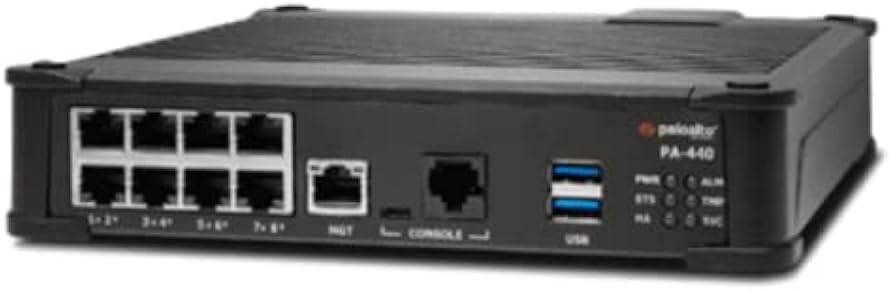
Physical and software-defined hardware form the backbone of secure networks. While software solutions handle threat detection, dedicated hardware appliances enforce security policies at the edge, providing a critical layer of defense that isolates internal systems from external threats. These devices operate continuously, filtering traffic and blocking malicious activity before it reaches sensitive data.
Modern network security hardware increasingly relies on AI-driven analysis to identify anomalies in real-time. Instead of relying solely on static rule sets, these appliances learn normal network behavior and flag deviations instantly. This proactive approach is essential for protecting against sophisticated attacks that evolve faster than manual configuration updates.
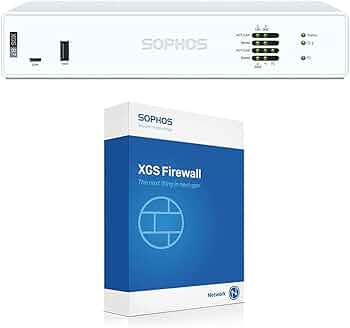
The following products represent top-performing network security hardware for 2026, selected for their ability to integrate AI-powered threat prevention with robust physical network protection.
![Fortinet FG-100F FortiGate 100F 22x GE RJ45 4 SFP Port 2x 10 GE SFP+ Network Security Firewall [No License] (Renewed)](https://m.media-amazon.com/images/I/41mm1k+jhSL._AC_UY654_QL65_.jpg)

As an Amazon Associate, we may earn from qualifying purchases.
How to choose the right security stack
Building a cybersecurity stack in 2026 requires balancing three variables: team size, budget, and the specific threats you face. A solo developer needs a different toolkit than a mid-sized enterprise, and neither needs the same protection as a healthcare provider handling HIPAA data. The goal is to select AI-driven solutions that automate the heavy lifting, reducing the need for large security teams.
Match tools to team size
For small teams or solo operators, choose an all-in-one platform that combines endpoint protection, network monitoring, and identity management. These suites reduce the cognitive load of managing multiple vendors. Look for solutions with built-in AI that can detect anomalies without requiring constant human oversight. If you are a larger organization with dedicated security staff, you might prefer best-of-breed tools that integrate via API, allowing for more granular control over each layer of defense.
Align with your budget
AI-powered cybersecurity tools often come with higher upfront costs but lower long-term operational expenses. Evaluate the total cost of ownership, including licensing, implementation time, and ongoing maintenance. Free or low-cost tools may suffice for basic protection, but they often lack the advanced threat detection capabilities needed to stop sophisticated attacks. For most businesses, a mid-tier subscription that includes 24/7 AI monitoring and automated incident response offers the best balance of cost and security.
Address your threat landscape
Your stack should reflect the specific risks your industry faces. E-commerce businesses need robust protection against payment fraud and data breaches, while financial institutions require advanced anti-money laundering (AML) and real-time transaction monitoring. Consider the types of attacks most likely to target your organization, such as phishing, ransomware, or supply chain compromises. Choose tools that offer specialized modules for these threats, ensuring your defense is tailored to your actual exposure.
Frequently asked questions about AI security
Is AI penetration testing safe for production systems?
AI-driven penetration testing tools, such as those integrated into platforms like Cobalt or Bugcrowd, are designed to operate with minimal disruption. These tools use controlled scanning techniques that mimic real-world attacks without overwhelming server resources. However, safety depends on configuration; always run AI scanners in a staging environment first to prevent accidental service outages or data corruption during high-intensity vulnerability assessments.
How does AI detect zero-day threats in real time?
Unlike signature-based antivirus software, AI security models like those in CrowdStrike Falcon or SentinelOne analyze behavioral patterns. They monitor for anomalies in user activity, file access, and network traffic. When an AI system detects behavior that deviates from established baselines—such as a sudden spike in data exfiltration—it can isolate the threat immediately, even if the malware has never been seen before.
Can AI replace human cybersecurity analysts?
AI excels at triaging alerts and identifying patterns, but it cannot replace human judgment for complex incident response. Tools like Splunk ES or Microsoft Sentinel automate the heavy lifting of log analysis, allowing human analysts to focus on strategic threat hunting and remediation. The most effective security posture combines AI’s speed with human expertise to reduce false positives and address nuanced attack vectors.
No comments yet. Be the first to share your thoughts!