

Why cybersecurity matters in 2026
The landscape of digital threats has shifted from opportunistic attacks to sophisticated, AI-driven campaigns that target the human element of network defense. In 2026, cybersecurity is no longer just about securing servers; it is about protecting against social engineering that leverages artificial intelligence to mimic trusted voices and identities with alarming accuracy.
Traditional perimeter defenses are increasingly insufficient against these adaptive threats. Attackers use machine learning to analyze organizational structures and communication patterns, crafting personalized lures that are nearly indistinguishable from legitimate correspondence. This evolution means that the average employee is the new attack surface, requiring a security posture that emphasizes rapid detection and human-centric training alongside robust technical controls.
Organizations must adopt a zero-trust architecture that assumes breach and verifies every request, regardless of origin. This approach limits lateral movement within the network, containing potential damage even if an AI-enhanced phishing attack succeeds. The focus has moved from preventing initial access to minimizing the impact of inevitable compromises, ensuring business continuity in an era of persistent, intelligent adversaries.
Top network security platforms for 2026
Network security platforms have shifted from passive perimeter defense to active, AI-driven threat hunting. In 2026, the primary differentiator is not just firewall capability, but the speed at which a platform detects and isolates AI-generated attacks before they breach core infrastructure. Leading vendors now integrate machine learning models that analyze network traffic patterns in real-time, identifying anomalies that traditional signature-based tools miss.
The following platforms represent the current standard for enterprise-grade network defense. Each solution combines robust intrusion prevention with advanced behavioral analytics to counter sophisticated, automated threats.
Palo Alto Networks Cortex XDR
Palo Alto Networks Cortex XDR extends traditional endpoint detection into the network layer, providing a unified view of threats across devices, endpoints, and cloud environments. Its AI engine correlates data from multiple sources to identify complex attack chains, such as those involving lateral movement or data exfiltration. The platform excels in automating response actions, allowing security teams to contain incidents without manual intervention. This integration reduces the time between detection and mitigation, a critical factor when facing AI-driven attacks that move at machine speed.
Fortinet FortiGate
FortiGate appliances remain a staple in network security due to their integrated security service edge (SSE) capabilities. Fortinet’s custom silicon accelerates threat inspection, ensuring that high-speed network traffic does not compromise security depth. The platform’s AI models are trained on a massive global threat intelligence feed, allowing it to recognize emerging threats instantly. FortiGate is particularly effective in hybrid environments, offering consistent protection across on-premise data centers and remote branch offices.
Cisco Secure Network Detection and Response (NDR)
Cisco’s NDR solution leverages deep packet inspection and machine learning to monitor network traffic for suspicious activity. It operates passively, meaning it does not require agents on every device, making it easy to deploy in large, diverse networks. The platform identifies subtle indicators of compromise, such as unusual protocol usage or command-and-control communications. Cisco’s strength lies in its ability to integrate with existing Cisco infrastructure, providing a seamless security layer that enhances visibility without adding significant latency.
Check Point Harmony Edge & Edge Sense
Check Point focuses on securing the modern edge, where traditional network boundaries no longer exist. Their platform combines network security with identity protection, ensuring that access is granted based on user behavior and device health. The AI-driven threat prevention module adapts to new attack vectors by continuously learning from global threat data. This approach is particularly effective against targeted attacks that exploit zero-day vulnerabilities or use social engineering to bypass initial defenses.
SentinelOne Singularity Network Defense
SentinelOne’s approach centers on autonomous response, using AI to not only detect threats but also to neutralize them automatically. The platform’s behavioral AI models operate locally on devices, reducing reliance on cloud connectivity and ensuring protection even in disconnected environments. SentinelOne is designed to handle the volume and velocity of AI-generated attacks, providing rapid containment and remediation. Its lightweight agent minimizes performance impact, making it suitable for resource-constrained IoT devices and legacy systems.
Choosing the Right Platform
Selecting a network security platform depends on your specific infrastructure and threat landscape. Consider the scale of your network, the complexity of your hybrid environment, and the level of automation your team requires. Platforms that offer deep integration with existing tools often provide better long-term value, reducing the friction of adoption and improving overall security posture. Prioritize solutions that demonstrate proven efficacy against AI-driven threats, as this capability will be increasingly vital in the coming years.


As an Amazon Associate, we may earn from qualifying purchases.
Comparing key security features
Evaluating cybersecurity solutions requires looking beyond basic antivirus capabilities. In 2026, the primary differentiator is how well a system handles AI-driven threats and provides actionable intelligence. We compare top solutions based on real-time threat detection accuracy, user behavior analytics, and compliance reporting capabilities.
The following table breaks down the core features of leading enterprise-grade security platforms. This comparison helps you weigh the trade-offs between advanced AI detection and ease of deployment.
| Feature | CrowdStrike | Microsoft Defender | Palo Alto Networks | Fortinet |
|---|---|---|---|---|
| AI Threat Detection | High (Falcon Insight) | High (Sentinel AI) | High (Cortex XDR) | Medium (FortiAI) |
| User Behavior Analytics | Native | Native (M365) | Included (Cortex) | Via FortiSOAR |
| Compliance Reporting | Automated | Integrated (GovCloud) | Customizable | Standard |
| Deployment Ease | Agent-based (Light) | Pre-installed (Windows) | Complex (Hardware/Cloud) | Moderate |
| Primary Strength | Endpoint Protection | Identity & Cloud | Network Firewall | Unified Fabric |
CrowdStrike Falcon leads in endpoint protection with its lightweight agent and real-time AI insights. Microsoft Defender offers the best value for organizations already using Windows and M365, leveraging pre-existing infrastructure. Palo Alto Networks excels in network security, providing deep visibility into traffic patterns. Fortinet delivers a unified approach, integrating firewall and endpoint security for simplified management.
When choosing a solution, prioritize AI detection accuracy if you face sophisticated, automated attacks. For organizations with mixed environments, Microsoft’s integrated suite reduces complexity. If network perimeter security is your main concern, Palo Alto’s XDR platform provides comprehensive coverage.
Essential cybersecurity tools for individuals
Identity theft and social engineering attacks have evolved from simple phishing emails to sophisticated AI-driven impersonations. In 2026, protecting your personal data requires more than just a strong password; it demands a layered defense strategy that addresses both digital and physical vulnerabilities. The goal is to make yourself a hard target for attackers who rely on speed and deception.
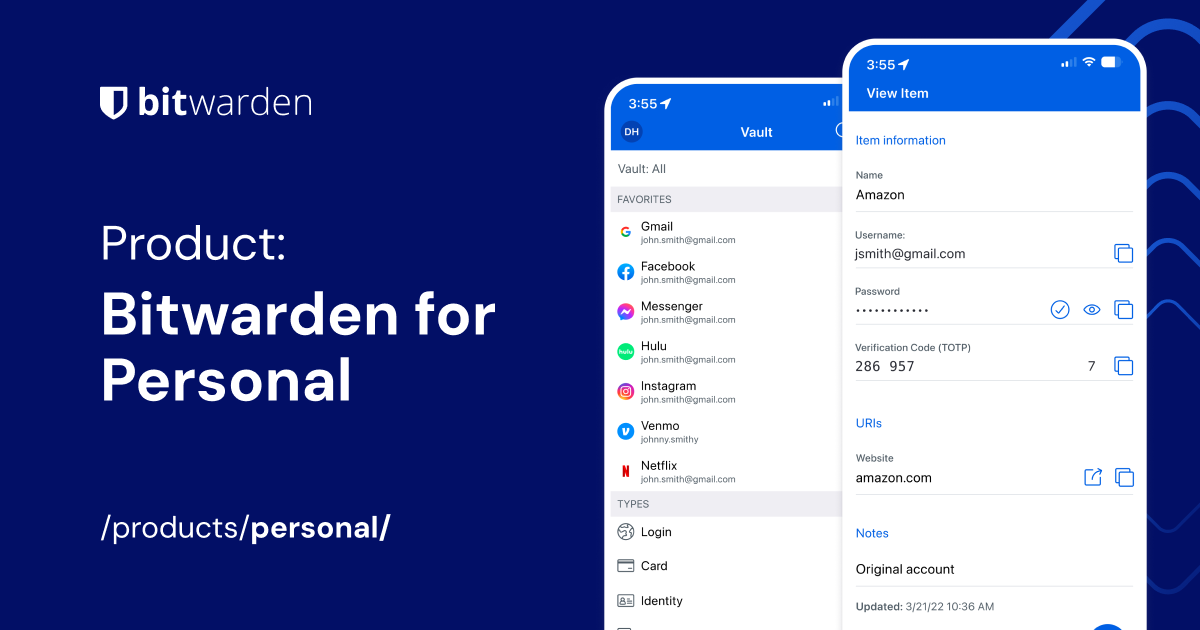
The foundation of this defense is a reputable password manager. These tools generate and store unique, complex passwords for every account, eliminating the risk of credential stuffing attacks where hackers reuse leaked passwords across sites. Look for managers with zero-knowledge architecture, ensuring that even the provider cannot see your data. This is your first line of defense against automated bots scraping the dark web for your credentials.
Beyond passwords, a hardware security key (FIDO2/U2F) provides the strongest protection against phishing. Unlike software-based two-factor authentication (2FA) codes that can be intercepted via man-in-the-middle attacks, hardware keys physically verify the domain you are logging into. If you are on a fake banking site, the key will not authenticate, blocking the login attempt entirely. This physical barrier is increasingly vital as AI voice cloning and deepfake video scams become more prevalent.
Finally, consider a dedicated identity monitoring service. These services scan dark web forums and data breach databases for your personal information, alerting you if your Social Security number or email appears in a leak. Early detection allows you to freeze your credit or change compromised credentials before an attacker can cause significant financial damage. Combining these tools creates a robust shield around your digital identity.


As an Amazon Associate, we may earn from qualifying purchases.
Frequently asked questions about cybersecurity
How do I protect my business from AI-driven phishing? AI-powered phishing attacks use natural language processing to craft highly convincing emails that bypass traditional filters. The most effective defense is a combination of multi-factor authentication (MFA) and AI-aware email security solutions that analyze behavioral anomalies rather than just keyword patterns.
What is the difference between endpoint security and network security? Endpoint security protects individual devices like laptops and smartphones from malware and unauthorized access. Network security, conversely, safeguards the entire infrastructure, including servers and routers, by monitoring traffic and blocking intrusions at the perimeter. A robust strategy requires both layers working in tandem.
Is password managers safe to use for all my accounts? Yes, reputable password managers are among the safest ways to store credentials. They generate unique, complex passwords for every site and encrypt them with a master key. This prevents a single data breach from compromising all your accounts, a common vulnerability in password reuse.
How often should I update my software and firmware? You should enable automatic updates for your operating system, applications, and router firmware immediately. Cybercriminals often exploit known vulnerabilities in outdated software. Regular patches close these security gaps before they can be weaponized in widespread attacks.
No comments yet. Be the first to share your thoughts!